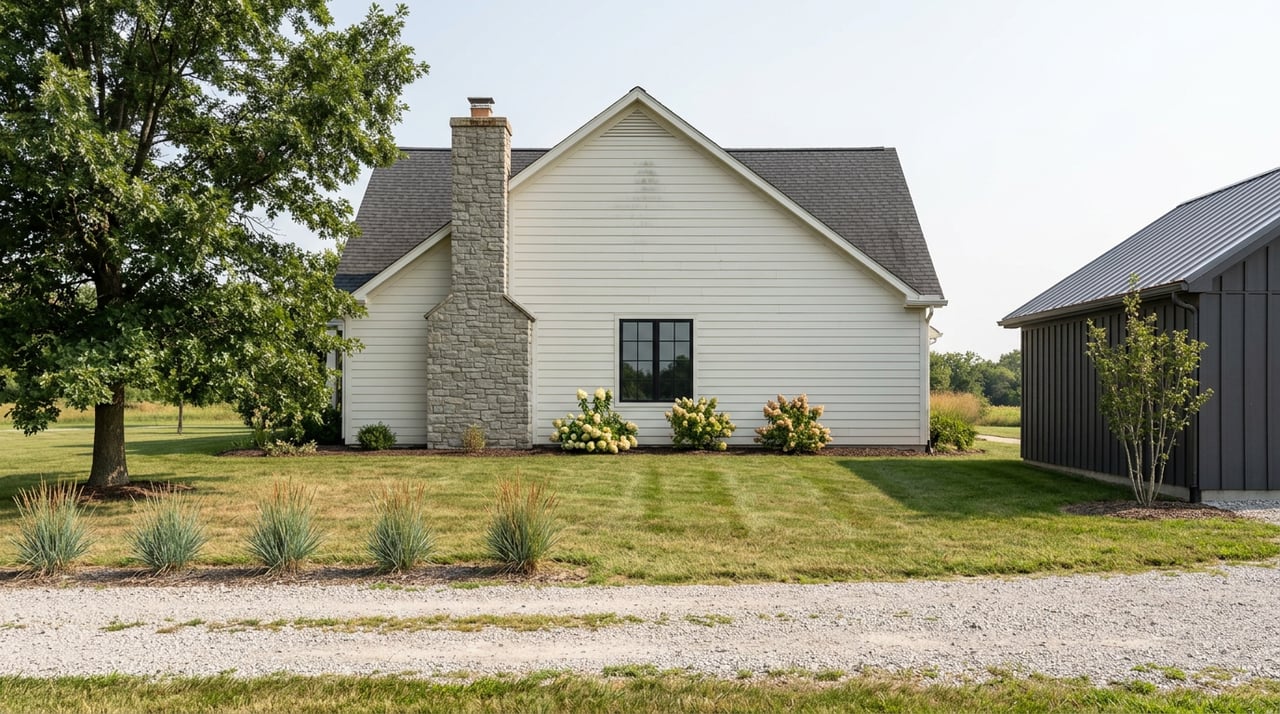
If you've started asking around about selling a home in Galesville, you've probably heard some version of a rule: get the well tested, get the septic checked, or the sale falls apart. It sounds like the kind of thing a neighbor who sold last year would know for certain. It also isn't true, at least not the way most people repeat it.
Wisconsin does not require a well or septic inspection to sell a home. Not a state law, not a blanket county rule, nothing that stops a closing if you skip it. That single fact changes how a Galesville seller should think about timing, negotiating, and what actually shows up in a report if one gets ordered.
Where the assumption comes from
The confusion is reasonable. Plenty of states do mandate this. Some Michigan counties run Time of Sale or Transfer ordinances that require septic and well inspections before a property changes hands, and the rules shift from county to county because Michigan has no statewide sanitary code at all. Ohio counties run their own point of sale programs too. Summit County, for one, requires an inspection of any sewage treatment system or private water system before a residential transfer, carried out by a registered contractor, before the deed can move.
Wisconsin runs differently. The relevant code, NR 812, is explicit that a well and pressure system inspection is not required at the time of property transfer. If one happens, it has to follow the rules in that chapter, but nothing forces it to happen.
That gap between what buyers expect and what the state actually requires is where most of the confusion in a rural sale like this shows up.
What actually triggers an inspection in Galesville
If the state isn't the one requiring it, who is? Usually the lender or the buyer.
The Wisconsin DNR is clear that inspection is optional but common. Many buyers and sellers choose to have the well and pressure system inspected anyway, and some lending institutions require it as a condition of financing. That means the real decision point in most Galesville transactions isn't a government mandate. It's a loan officer's checklist or a buyer's contingency in the offer.
This matters because it puts the timeline in your hands rather than the county's. A seller who assumes the inspection is compulsory might wait for someone to schedule it. A seller who understands it's contingency-driven can get ahead of it, order water testing early, and walk into negotiations with a report already in hand instead of reacting to one a buyer's lender demands with ten days left before closing.
About a quarter of Wisconsin residents get their drinking water from private wells, which is part of why the rule matters so much here even without a mandate behind it. Galesville sits well within that reality. Recent sales in the area include listings with three-plus acres, cropland views, and detached garages built for equipment, the kind of properties where a shared municipal water line was never part of the plan.
The line in the report that catches sellers off guard
If an inspection does happen, it isn't a subjective walkthrough. The inspector completes a state form, DNR Form 3300-221, and checks whether the well and pressure system comply with NR 812 or don't. There isn't much room in between.
One of the most common ways a system fails that check has nothing to do with water quality or how deep the well was drilled. It's the test faucet on the pressure tank. If that faucet has threads, even if every other component is sound, the report has to record it as noncompliant. Filed threads don't fix it either. The fitting has to be the right type from the start.
It's a small mechanical detail, but it's exactly the kind of thing that turns a routine inspection into an unplanned repair conversation two weeks before closing, especially on an older rural property where the pressure tank hasn't been touched since it was installed.
Here's the part that surprises people on both sides of the table: a noncompliant finding doesn't obligate anyone to fix anything. Wisconsin's rule is clear that any decision to bring the system into compliance is a negotiation between buyer and seller, not a legal requirement. A lender might insist on it as a loan condition. A buyer might ask for a credit instead of a repair. But the state itself stays out of it.
What Trempealeau County adds on top of state rules
The state sets the floor. Trempealeau County, where Galesville sits, layers its own process on top through the Department of Land Management, and this is where sellers who've owned a property for a while sometimes get an unwelcome reminder.
Installing or replacing a septic system in the county requires a sanitary permit, and only a licensed plumber can submit that application after designing the system to match a soil test. Once a system is in the ground, the county doesn't leave it alone. It sends a septic tank pumping notice to the property owner every third year following installation, and any pumping has to be done by a licensed septic pumper.
For a seller, this means your septic history has a paper trail whether you've thought about it or not. If pumping notices have gone unanswered for a few cycles, that's worth addressing before a buyer's inspector or a curious neighbor brings it up during a showing. It's not a legal barrier to selling. It's a documentation gap that's easy to close quietly if you get to it early, and awkward to explain if a buyer asks about it first.
What the current Galesville market means for this decision
None of this happens in a vacuum. Galesville is a small market, and small markets amplify the effect of every variable, including a well or septic finding.
As of mid-June 2026, Galesville had 11 pending listings at a median list price of $322,000, with homes typically staying on market around 25 days. Only one home had closed in the trailing month at that snapshot. Estimates of the neighborhood's broader median home value have bounced between roughly $307,000 and $336,000 depending on when the figure was pulled, which is itself a signal worth reading correctly. When a market has this few transactions moving through it at once, a couple of sales at different price points can shift the reported median more than they would in a larger suburb. There isn't enough volume yet to smooth out the noise.
That thinness cuts both ways for a seller. It means a single well or septic issue carries more weight in a negotiation than it might in a market with fifty comparable closings a month to lean on. It also means a seller who has already resolved those questions, current pumping records, a pressure tank fitting that will pass inspection the first time, walks into a showing with one less unknown than a competing listing down the road.
A short list before you list
If you're weighing a sale on well and septic, a few things are worth doing before a buyer's offer forces the timeline:
- Pull your pumping records and confirm the county's three-year notice cycle has been kept current
- Check the pressure tank's test faucet for threads before an inspector has to flag it
- Decide in advance whether you'd rather offer a credit or make a repair if a noncompliance shows up, since the choice is yours to negotiate either way
- Ask your lender's likely buyer pool (conventional, FHA, or otherwise) whether inspection tends to be a financing condition in practice, since the state won't tell you either way
A couple of direct questions
Does a septic or well inspection ever stop a Galesville closing outright? Not by state law. Wisconsin leaves any corrective action to negotiation between buyer and seller. A lender's financing conditions can effectively require it, but that's a loan requirement, not a state one.
How old can a well be and still pass? Wells are generally judged against the code in place when they were built, not today's code, though some exceptions apply. An inspector can tell you which rules apply to your specific well.
Is a septic pumping notice from the county a sign something's wrong? No. Trempealeau County sends that notice on a routine three-year schedule after installation regardless of how the system is performing. It's a maintenance reminder, not a violation notice.
Selling a home with well and septic in Galesville isn't harder than selling one on municipal service. It just runs on a different set of rules, and most of the friction comes from assuming the wrong ones apply. If you're weighing a sale or a purchase in this part of the river valley and want a read on how these details might play into your specific property, Jillian Hugo & Associates offers a complimentary home consultation to walk through it before you list.