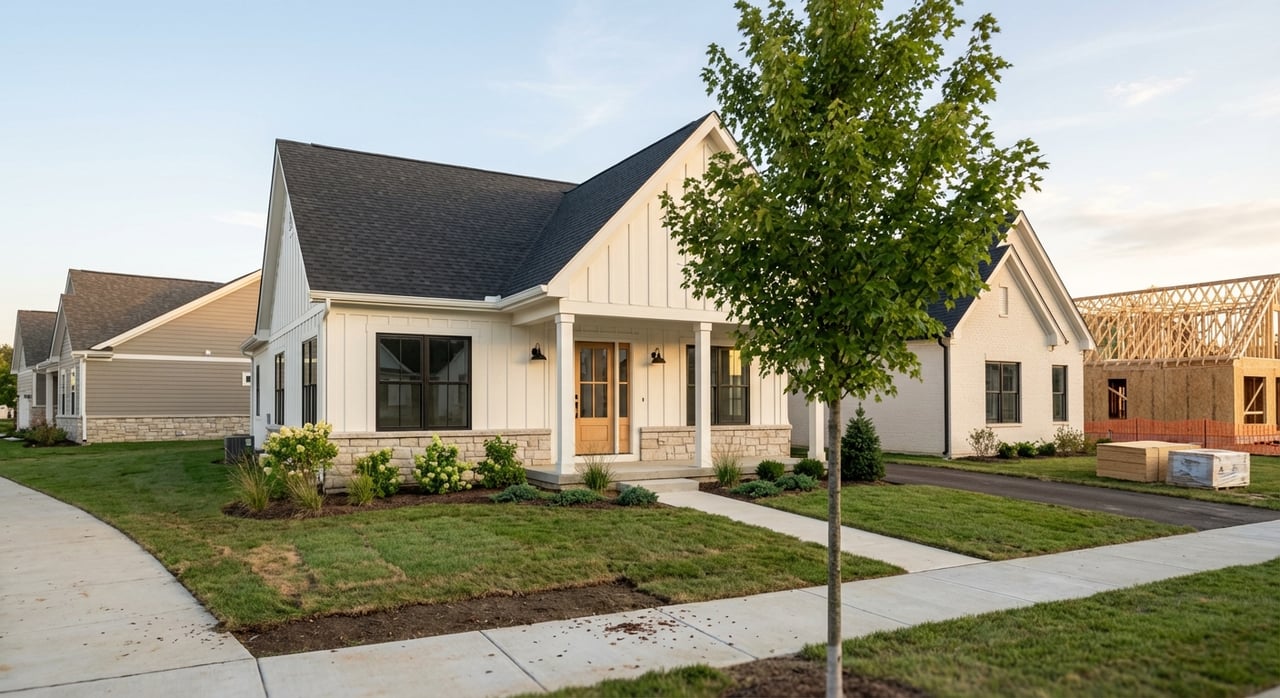
Choosing a new construction community in Holmen is a big decision that shapes your daily life, future resale, and budget. You want a neighborhood that fits how you live today and flexes with tomorrow’s needs. In this guide, you’ll get a clear, step-by-step way to compare builders, lots, timelines, and HOAs using local resources. You’ll also find a simple checklist and trusted links to verify the details before you commit. Let’s dive in.
Why Holmen stands out
Holmen is growing. The village’s 2024 population estimate is roughly 11,800 to 11,900, reflecting steady demand from buyers who value location and newer neighborhoods. You can confirm the latest population snapshot on the U.S. Census QuickFacts page for Holmen village, Wisconsin. See current Census data for Holmen.
The draw is simple. You are close to La Crosse employment and amenities, with parks, trails, and newer subdivisions that line primary corridors such as State Highways 53 and 35. For community services, utility updates, and local amenities, the Village of Holmen website is a helpful starting point.
Map the new-build landscape
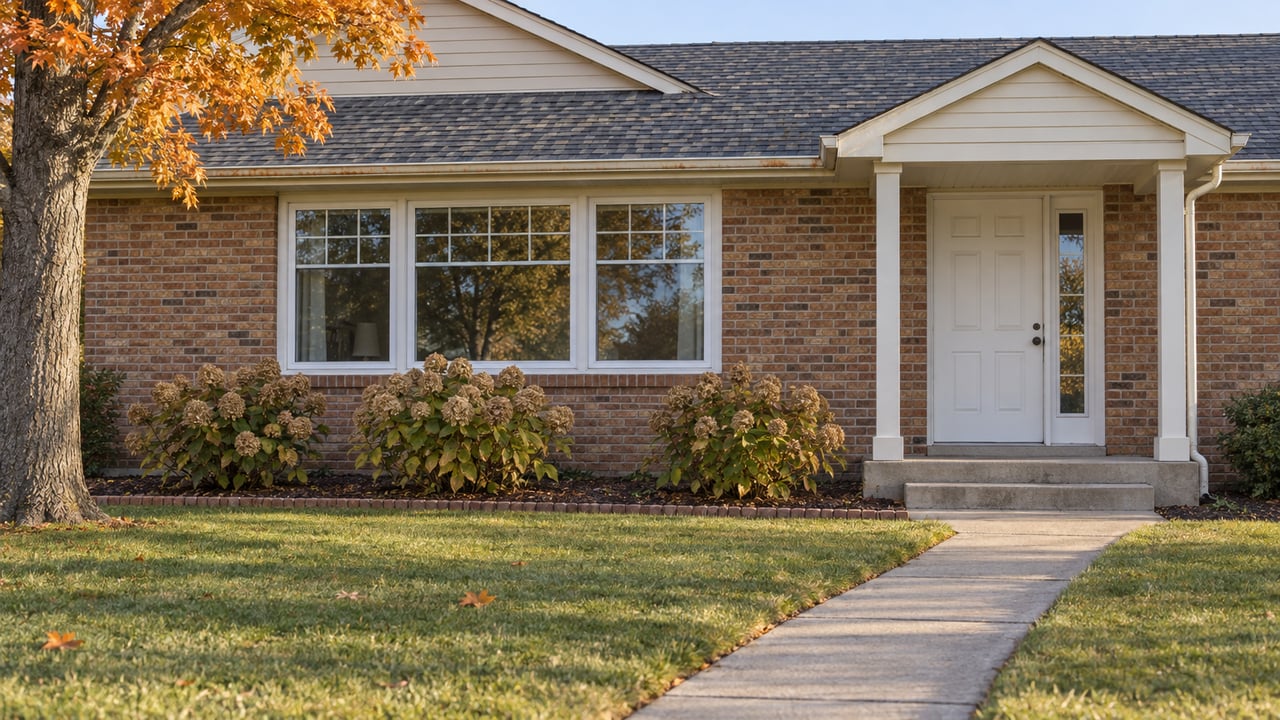
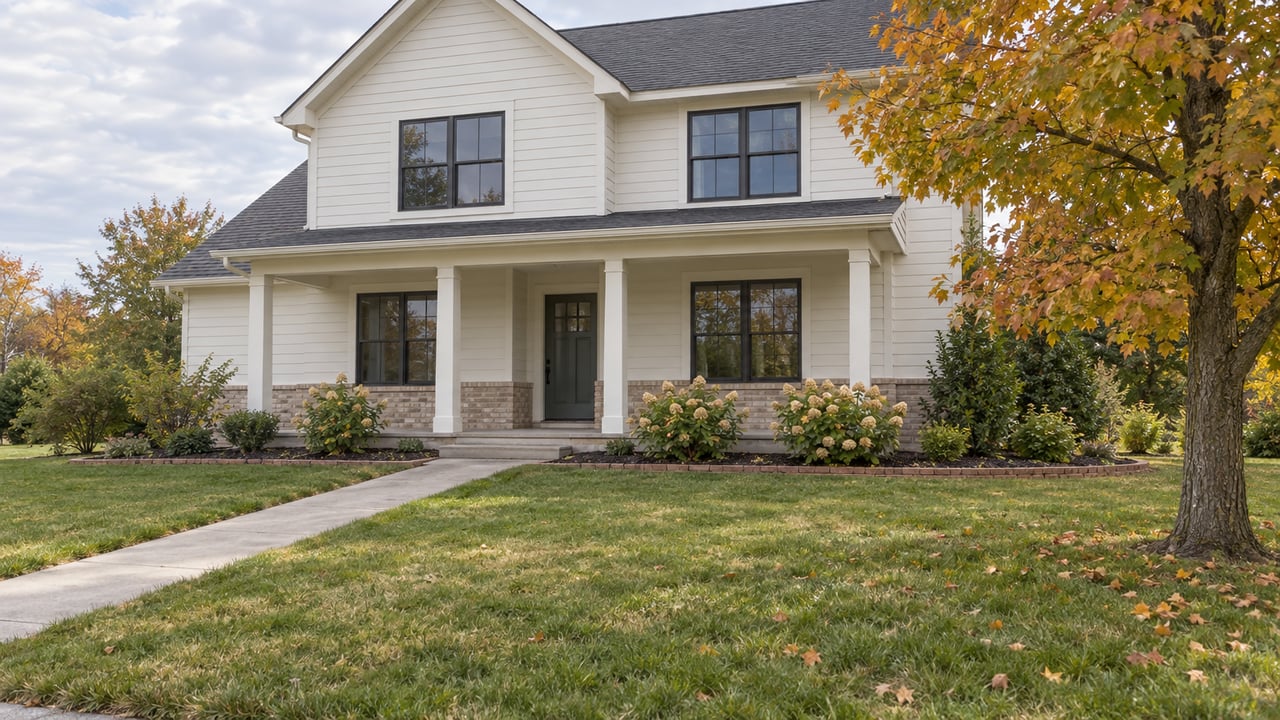
Most new construction in Holmen clusters in modern subdivisions with phased “Additions.” Recent phases include areas such as Cole Addition and Liberty Addition. These neighborhoods often feature fully improved lots, sidewalks, and convenient access to regional roads for commuting.
You will find both custom builders and smaller production builders active in the area. The mix can include well-known local trades that focus on single-family homes and neighborhood infill. Since offerings change by season and phase, treat builder lists as a starting point rather than a final answer.
A practical way to meet builders and see current product is to attend the La Crosse Area Builders Association Parade of Homes. You can tour finished homes, compare floorplans and finishes in person, and gather names for follow-up interviews. Check dates and participants on the LABA Parade of Homes page.
Choose the right lot
The lot you select affects light, privacy, foundation type, drainage, and long-term value. Before you sign, review the recorded plat and walk the site at different times of day to assess sun, shade, and traffic patterns.
Read the plat and covenants
Start with the recorded subdivision plat. Look for building setbacks, utility and drainage easements, outlots, and any “no-build” strips. The La Crosse County Zoning, Planning, and Land Information pages link to land records, GIS, and recorded plats so you can verify the exact lot and phase. Use the county viewer to confirm boundaries and notes before you write an offer. Visit La Crosse County Land Records and GIS.
If the neighborhood has covenants or an HOA, request the recorded documents early. Covenants can guide exterior materials, fencing, parking, and architectural controls. You will want time to read what is allowed and what requires pre-approval.
Check floodplain and drainage
Holmen sits in the Driftless region with local streams and sloped terrain. Even if the lot looks dry, verify the flood zone. Enter the exact address on FEMA’s Map Service Center and review the Wisconsin DNR floodplain guidance for context and local mapping projects. Start with FEMA’s Flood Map Service Center and the Wisconsin DNR floodplain guidance.
Know your soils and basement potential
Soil conditions influence footing depth, drainage solutions, and whether a walkout lower level is feasible. If you are near the rural edge or considering a unique foundation, review NRCS soils data and discuss with your builder and engineer. You can explore a representative local pedon report through the NRCS database here: NRCS soil profile example near Holmen.
Confirm utilities and road readiness
Many Holmen lots are marketed as “fully improved,” which typically means streets with curb and gutter, storm drainage, and water and sanitary sewer stubbed to the lot line. Confirm this in writing for your specific lot and phase, including connection fees and timing. For service details and contacts, see Village of Holmen Public Works.
Floorplans and finishes that fit
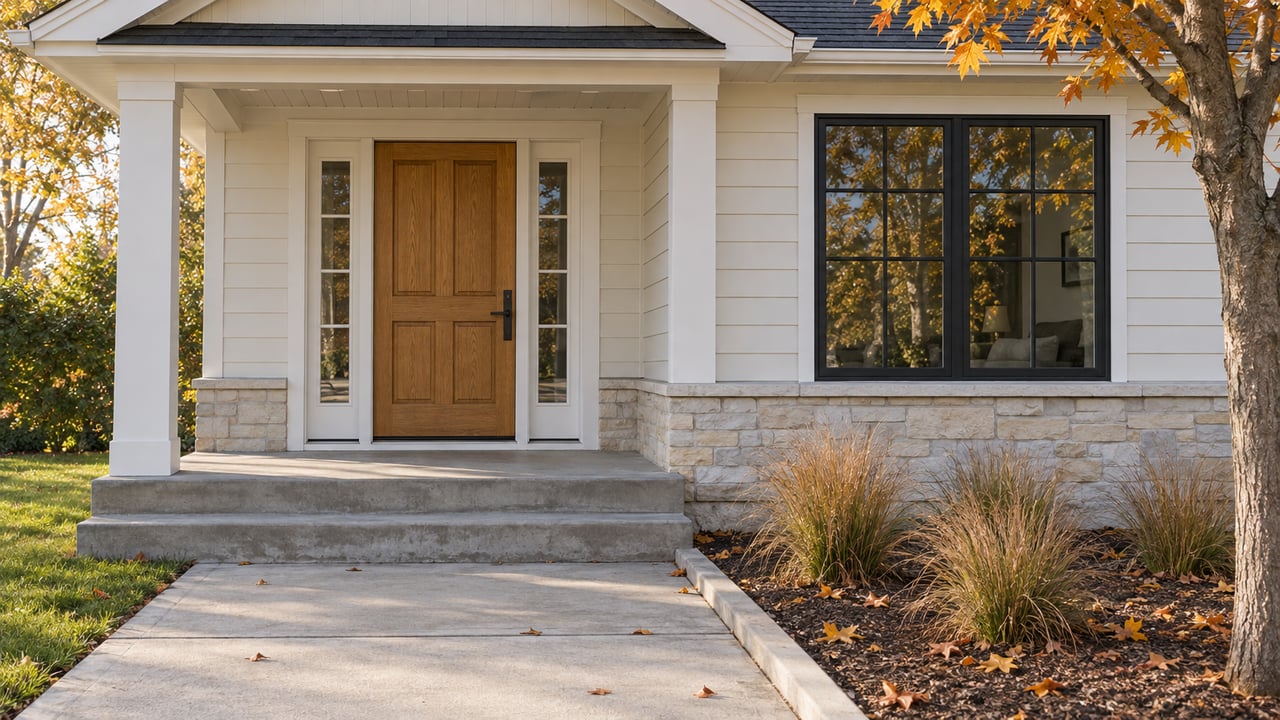
Start by clarifying how you live. Do you need a main-level suite, a flexible office, or a finished lower level for guests or hobbies. Then compare floorplans that match your day-to-day patterns.
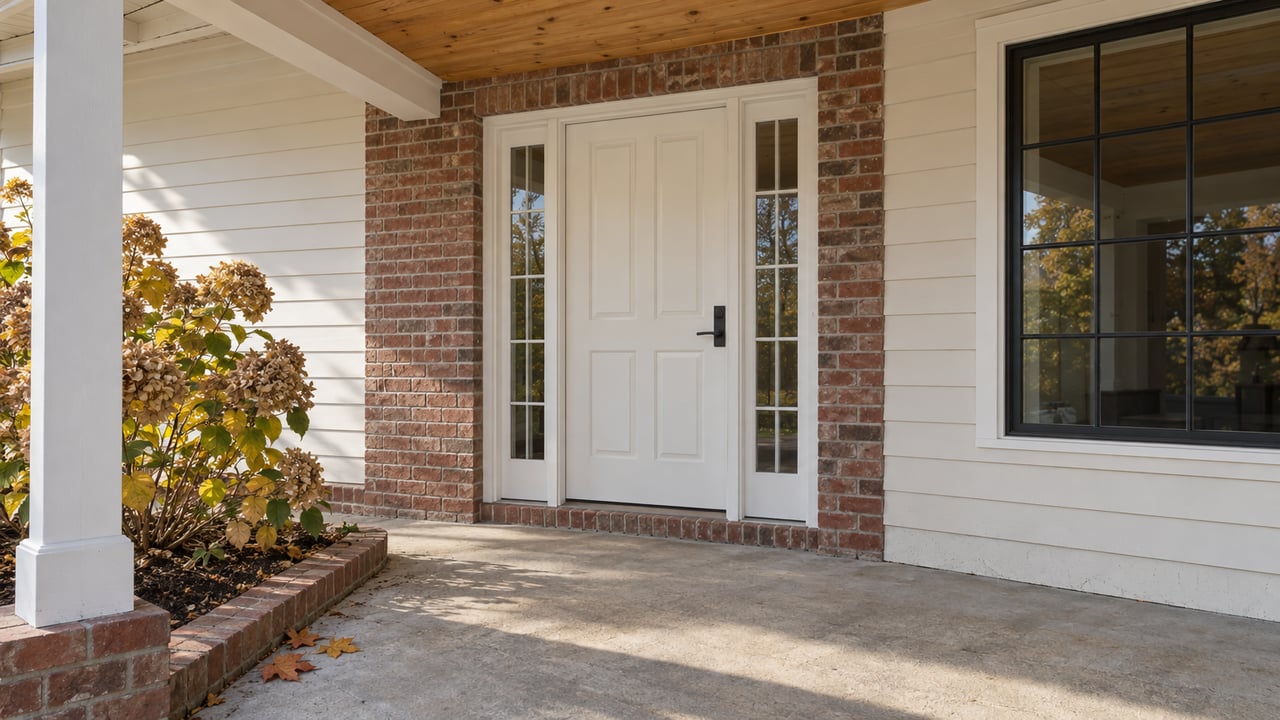
Ask every builder for a written base-spec sheet listing what is included. Common inclusions are flooring types, countertop materials, appliance tiers, window packages, and exterior finishes. Then request a separate allowances list that shows budgeted dollars for each trade so you can compare offers apples to apples.
Upgrades often have defined selection windows. Confirm deadlines for cabinets, tile, lighting, and landscaping. Get pricing for popular add-ons such as a tile shower, gas fireplace, higher-grade windows, or a covered patio so you can decide what to include now and what to save for post-close.
Timeline, permits, and inspections
Build timelines vary by season, builder capacity, and lot readiness. Fully improved lots save time, and Wisconsin winters can slow exterior work and grading. Discuss the target completion range, weather contingencies, and how delays are handled in the contract.
Locally, a building permit is required. Your builder typically pulls permits and schedules inspections, but you should still understand the process and timing. Review the Village’s permit packets and ask for copies of all final approvals at closing. Learn more on Village of Holmen Permits and Inspections.
Expect a clear process: reserve lot, sign a build contract with deposit, finalize plan and selections, monitor framing and mechanical stages, then complete a final walkthrough and punchlist. Ask for the builder’s standard walkthrough checklist and one-year warranty claim process in writing.
HOAs, covenants, and your lifestyle
HOAs can be helpful for common-area care and architectural consistency, but they also add rules and fees. Before you write an offer, request the recorded covenants, HOA bylaws, the latest budget and reserve balance, fee schedule, architectural guidelines, and recent meeting minutes.
Fees in new HOAs sometimes start modestly, then change as amenities and maintenance needs grow. The single best protective step is to review the budget and reserves so you understand funding plans. To locate recorded covenants and plats, use La Crosse County Land Records and confirm documents with the seller or developer.
Resale factors to keep in mind
Resale often rewards thoughtful choices. Lots on internal streets with lighter traffic and homes that back to public open space can be easier to sell. Proximity to major roads, grocery, and employment centers helps commuting professionals.
Schools are a common buyer research point. For neutral, up-to-date information on district programs, boundaries, and calendars, start with the Holmen School District website. Keep your focus on published data rather than opinions.
Builder reputation matters for resale. Ask to see recent comparable sales from the same builder and phase, and confirm whether the builder’s warranty is transferable. Strong documentation and responsive warranty service can support value over time.
Quick buyer checklist
Use this short list to keep your search on track:
- Confirm whether the lot is fully improved and which utilities are stubbed to the lot line. Get utility connection fees in writing. Start with Holmen Public Works.
- Run the exact lot address through FEMA’s Flood Map Service Center and review Wisconsin DNR floodplain guidance.
- Pull the recorded plat and any covenants through La Crosse County Land Records and GIS. Check setbacks, easements, outlots, and HOA governance.
- Ask each builder for a written base-spec sheet, a line-item allowances list, a clear change-order policy and pricing timeline, and a written warranty with transfer terms.
- Request the builder’s standard punchlist, move-in walkthrough plan, and one-year warranty claim procedure.
- Compare recent finished sales in the same subdivision and phase to understand absorption and resale potential.
- Confirm who pulls permits and schedules inspections, and ask for copies of final approvals at closing. See Village of Holmen Permits.
Local price perspective
Across the La Crosse area, home values tend to sit in a mid-market range for Wisconsin. New construction in Holmen often lists above older existing homes due to larger square footage, modern systems, and newer finishes. Exact numbers change month to month, so ask for current neighborhood-level data and recent new-build comps when you narrow your choices.
If you are weighing the premium for a new build against updated existing homes, focus on total cost of ownership. Factor energy efficiency, expected maintenance in the first five years, warranty coverage, and the cost of any immediate upgrades you would want post-close.
Next steps with a local guide
Your best decisions come from a clear plan, verified documents, and a steady partner who knows the local phases, builders, and permitting timelines. If you want help zeroing in on the right Holmen community, lot, and build plan, we are here to be your advocate from first tour to final walkthrough. Reach out to Jillian Hugo for a complimentary new construction consult tailored to your goals.
FAQs
What should I check about utilities for a Holmen new-build lot?
- Confirm water and sanitary sewer availability, connection points, and fees in writing, and review service details with Holmen Public Works.
What does a “fully improved lot” usually include in Holmen?
- A fully improved lot typically has completed streets with curb and gutter, storm drainage, and public utilities extended to the lot line, which can shorten the build timeline.
How long does a new build in Holmen usually take?
- Timelines vary by builder workload, lot readiness, plan complexity, and season. Discuss a target range, weather contingencies, and remedies for delays, and review Holmen’s permit process for local timing.
How do I vet Holmen builders before I sign?
- Tour the LABA Parade of Homes, ask for recent local references, review base specs and allowances, and request the written warranty and change-order policy.
Where can I find plat maps and covenants for Holmen neighborhoods?
- Use La Crosse County Land Records and GIS to locate recorded plats and covenants, then confirm documents with the developer or seller before you make an offer.