Dreaming about living near the water without leaving the Greater La Crosse area? West Salem offers a lake-centered lifestyle that feels relaxed and practical, but buying near Lake Neshonoc comes with a few details you will want to understand before you make an offer. From shoreline rules to access questions to seasonal recreation, this guide will help you sort through what matters most so you can shop with more confidence. Let’s dive in.
Why buyers look near Lake Neshonoc
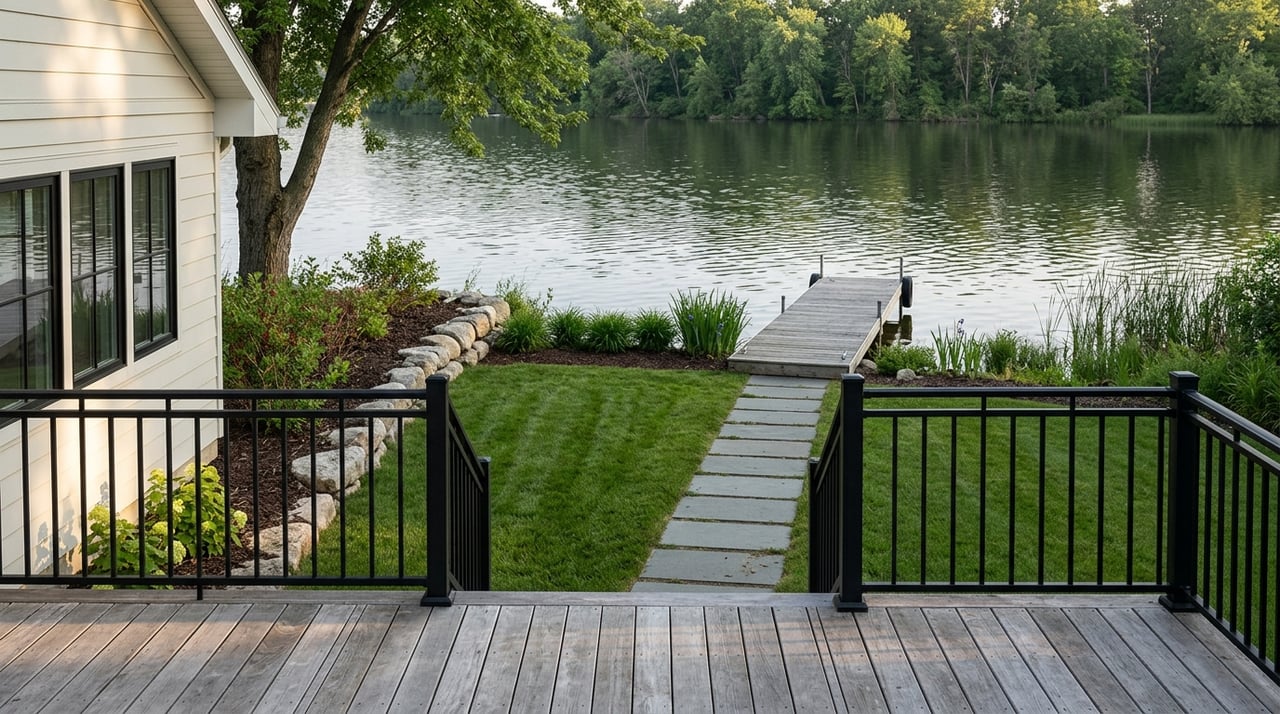
For buyers considering lake living in West Salem, Lake Neshonoc is the main draw. Official sources describe it as a roughly 600-acre, dam-influenced flowage connected to the La Crosse River, so it offers a different experience than a deep natural lake. That matters because the lake’s layout, water conditions, and shoreline character all shape what daily life can feel like.
The shoreline is not one uniform style of waterfront. County planning materials note that the lake is surrounded by a mix of homes, recreational land, and a privately owned campground, with newer housing subdivisions approved immediately south of the lake. For you as a buyer, that means your options may range from established homes to newer nearby inventory rather than one single type of lake property.
What lake living feels like in West Salem
Living near Lake Neshonoc is often about easy access to outdoor recreation. The area supports boating, fishing, relaxing by the shore, and spending time in nearby parks. If you want a home base that keeps you close to the water while still connected to village living, this setting can check a lot of boxes.
La Crosse County identifies lake-access parks on both the northwest and south shores. Neshonoc Swarthout Park, on the northwest side, is a 20-acre community park with motor boating, fishing, hiking, walking, canoeing, kayaking, nature photography, bird and wildlife watching, a picnic shelter, a playground, an open play area, and a boat launch ramp.
The Wisconsin DNR also lists one beach and two boat landings on the lake. That public access can be a real benefit if you love being on the water but are also considering homes that may be near the lake instead of directly on it.
Fishing is a big part of the draw
If fishing matters to you, Lake Neshonoc has a strong identity around it. The DNR lists panfish, largemouth bass, northern pike, and catfish, and a 2024 DNR survey notes high-density action fisheries for smallmouth bass, black crappie, and bluegill, with channel catfish as an abundant target species.
That kind of variety can make the lake appealing whether you fish often or just want the option close to home. If catching fish for meals is part of your plan, though, you will want to check current fish consumption guidance before assuming all species are treated the same.
Swimming is seasonal and monitored
Swimming is available, but conditions can change. The La Crosse County Health Department tests beaches weekly from Memorial Day through Labor Day, including Lake Neshonoc Swarthout Park and Neshonoc Lakeside Campground, and posts results on Tuesdays.
The county uses E. coli thresholds to classify water conditions as safe, cautionary, or closed, and it notes that rain can raise bacteria levels. For you, that means beach use is best treated as a monitored seasonal amenity, not something to take for granted every day of the summer.
West Salem’s lake season is real
West Salem’s climate shapes the lake lifestyle in practical ways. The village recreation plan describes warm summers and cold winters, with average July highs around 84 degrees and January highs around 27 degrees.
In everyday terms, that means the most active lake season is naturally summer. Shoulder seasons may still be enjoyable for walks, park visits, and shoreline time, but your expectations should shift from peak boating and swimming to quieter outdoor use and property maintenance.
What homes near the lake may look like
West Salem is still primarily a detached single-family market. The village comprehensive plan says single-family detached homes make up 54.5% of housing units, with attached single-family, multifamily, and mobile homes making up the balance.
The housing stock also spans multiple eras. More than 41% of village homes were built after 1990, while a meaningful share predates 1940. Near the lake, that often translates into a mix of older in-town homes, mid-century and late-century houses, and newer subdivision options.
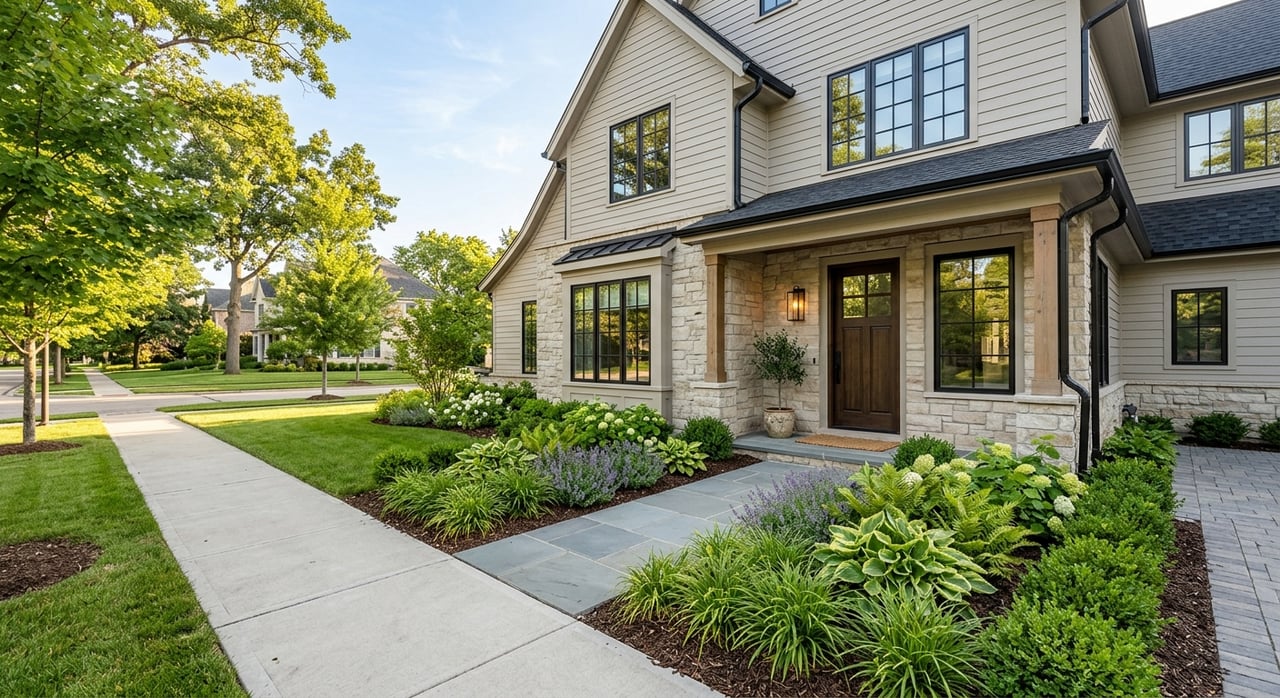
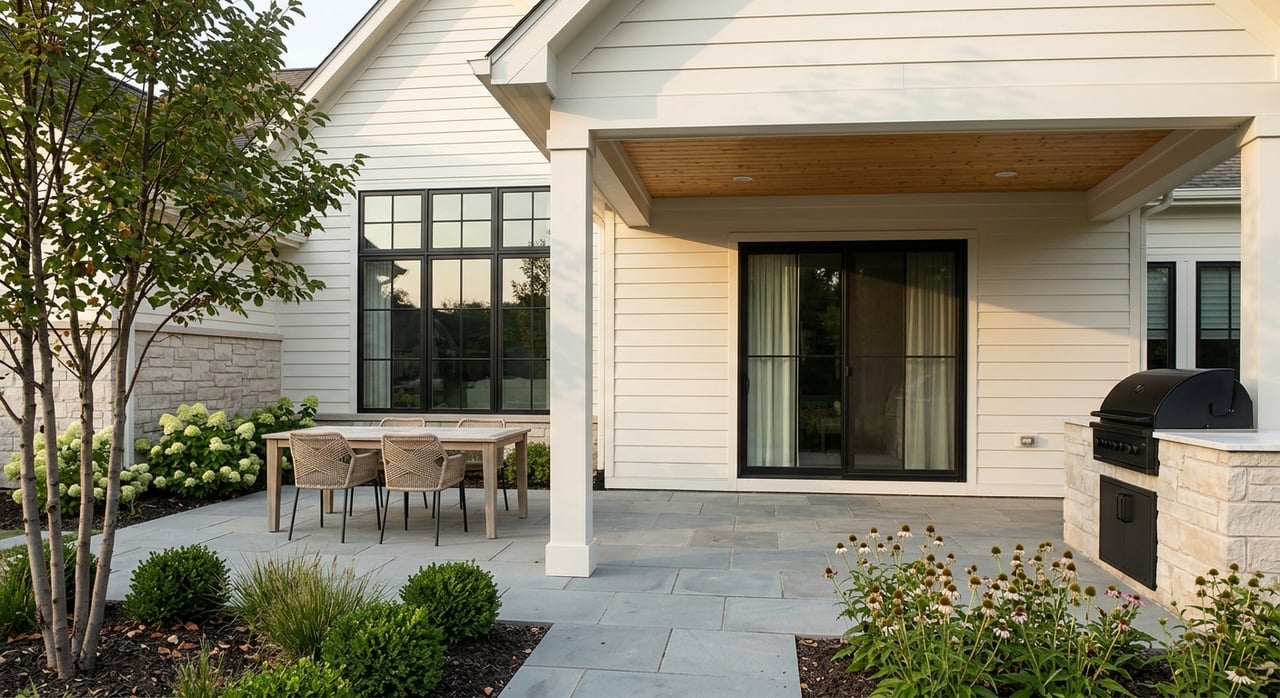
That range can be helpful if you are comparing lifestyle priorities. You may find one home with a more established setting, another with newer finishes, and another that offers proximity to the lake without direct frontage.
What to ask before buying near the water
Lake-area homes can come with more questions than a typical in-town property. A beautiful showing is one thing, but the lot setup, access rights, and utility details can affect both day-to-day ownership and future plans.
Here are some of the most important questions to ask:
- Does the property have municipal water and sewer, or a private well and septic system?
- Is the lot in shoreland, floodplain, or wetland?
- Does the property include deeded frontage, shared access, or no formal lake access?
- Who maintains the shoreline, dock, retaining wall, and drainage features?
- Are there any neighborhood, lake-district, or boating rules that affect docks, boathouses, or land disturbance?
These are not small details. They can affect your costs, your improvement options, and how you actually use the property once you move in.
Utility service matters more than you may expect
West Salem operates a combined water and sewer utility. Its sewer ordinance says parcels adjacent to a sewer main can be required to connect after written notice.
That makes utility verification an important part of your due diligence. Before you buy, it is smart to confirm exactly what serves the home now and who is responsible for each part of the system after closing.
Shoreland and floodplain rules can shape your plans
The village has adopted La Crosse County’s shoreland zoning ordinance by reference, and the county enforces it. The county says a shoreland permit is required for development within 1,000 feet of a navigable lake, and a floodplain permit is required for work in a floodplain.
Those rules are designed to address setbacks, shore cover, boathouses, structures, fish habitat, and pollution prevention. If you are thinking ahead about an addition, a new outbuilding, shoreline work, or other site changes, you will want to understand what is allowed before you buy.
Boundaries and access should be crystal clear
Waterfront boundaries can be sensitive, especially when frontage, shared access, or shoreline features are involved. La Crosse County says its parcel viewer is only a general reference and recommends using a licensed surveyor for precise boundary questions.
If a property’s value depends on lake access, frontage, or a shoreline improvement, clarity matters. This is one area where asking the right questions early can save you from frustration later.
Lake Neshonoc maintenance realities
Every lake has its own personality, and Lake Neshonoc is no exception. The DNR describes it as a shallow flowage with a mean depth of 4 feet and a bottom that is 90% muck, while county materials note that the dam affects water levels.
For you as an owner, that can translate into a stronger need to pay attention to erosion, drainage, shoreline vegetation, dock placement, and spring runoff. These are not automatic red flags, but they are practical ownership topics that deserve a close look during your home search.
The DNR also lists recorded invasive species on the lake, including curly-leaf pondweed, Japanese knotweed, and purple loosestrife. That means plant management can be part of the shoreline conversation for some properties.
Water quality and advisories to keep in mind
Buyers should go into any lake purchase with open eyes, and Lake Neshonoc is no different. County and DNR sources note impairments related to nutrients, suspended solids, mercury, and bacterial contamination, and county reporting says swimming beaches have been closed regularly because of harmful bacteria levels.
That does not mean lake living here cannot be enjoyable. It does mean you should approach recreation, shoreline use, and fish consumption with current local information instead of assumptions.
If boating is high on your list, the DNR says to check the sign at the public boat landing because local boating ordinances can be more restrictive than state law. Lake Neshonoc also has an official Protection and Rehabilitation District through the county, which points to ongoing local attention to the lake.
Who this area may fit best
Living near Lake Neshonoc can work well if you want a home close to fishing, boating access, parks, and a water-oriented setting in West Salem. It may also appeal to buyers who like having options, since the area includes a mix of established homes and newer nearby development.
The village’s housing base also appears relatively stable. Census QuickFacts reports a 77.7% owner-occupied housing rate and 91.8% of residents living in the same house one year earlier, which may appeal if you are looking for a place that feels more long-term than fast-turnover.
If your goals include direct frontage, simpler maintenance, newer construction, or easier public access, your search should be tailored around those priorities from the start. That is where local guidance can make a big difference.
If you are exploring homes near Lake Neshonoc or anywhere in West Salem, working with a team that understands the local housing mix, property setup questions, and buyer priorities can help you make a more confident move. For personalized guidance on West Salem homes and lake-area opportunities, connect with Jillian Hugo.
FAQs
What is Lake Neshonoc in West Salem like for buyers?
- Lake Neshonoc is a roughly 600-acre, dam-influenced flowage with boating, fishing, park access, one beach, and two boat landings, but it also has shoreline, maintenance, and water-quality factors buyers should review carefully.
What types of homes are near Lake Neshonoc in West Salem?
- Buyers may find a mix of established homes, mid-century and late-century houses, and newer subdivision inventory near the lake rather than one consistent waterfront housing style.
What should buyers ask about utilities near Lake Neshonoc?
- Ask whether the home uses municipal water and sewer or a private well and septic system, and confirm future connection obligations if the parcel is adjacent to a sewer main.
What permits matter for waterfront property in West Salem?
- La Crosse County says a shoreland permit is required for development within 1,000 feet of a navigable lake, and a floodplain permit is required for work in a floodplain.
What should buyers know about swimming at Lake Neshonoc?
- Swimming is seasonal and monitored, with county beach testing from Memorial Day through Labor Day and posted results that can change based on bacteria levels and rainfall.
What should buyers know about fishing on Lake Neshonoc?
- Lake Neshonoc supports species such as panfish, bass, northern pike, and catfish, but buyers who plan to eat their catch should check the latest fish consumption guidance first.