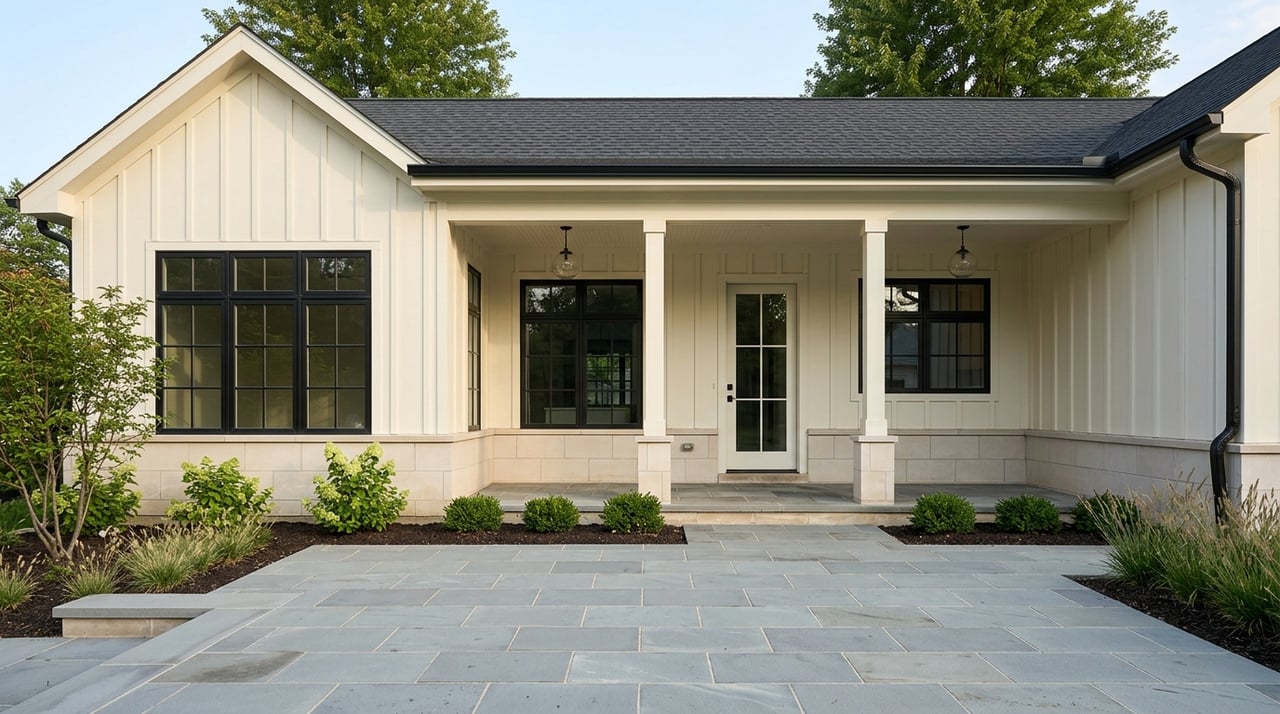
Dreaming about a place where you can trade city noise for bluff views, river mornings, and weekends that feel like a reset? Buying a retreat in Trempealeau can be an exciting move, but it also comes with practical questions about flood risk, seasonal upkeep, rental rules, and resale. If you want a river-valley property that supports both your lifestyle and your long-term goals, a little local homework goes a long way. Let’s dive in.
Why Trempealeau Feels Like a Retreat
Trempealeau offers the kind of setting many second-home buyers look for: water, bluffs, trails, and easy access to outdoor recreation. Perrot State Park sits at the meeting point of the Trempealeau and Mississippi rivers, and the area is known for hiking, biking, canoeing, scenic overlooks, and birding.
The broader river landscape adds even more appeal. The nearby Trempealeau National Wildlife Refuge and the Great River Road support the area’s reputation as a place to slow down and enjoy the scenery. For many buyers, that makes Trempealeau less about commuting and more about lifestyle.
What the Local Market Means for You
Trempealeau is a small market, and that matters when you shop for a retreat. The Village of Trempealeau’s 2025 population estimate is 1,900, which helps explain why inventory can feel limited compared with larger nearby communities.
In a smaller market, each listing tends to matter more. You may not have a long list of options at any given time, so it helps to define your must-haves early, especially if you care about river access, parking, easier maintenance, or rental flexibility.
A thin market also affects your exit strategy. When it is time to sell, buyers will likely be looking for the same mix of scenery, recreation, and usability that drew you in. That makes property selection especially important on the front end.
Focus on Use Before You Buy
Before you make an offer, get clear on how you want to use the home. That answer should shape almost every part of your search, from location to insurance to future updates.
Ask yourself:
- Will this be a personal weekend retreat only?
- Do you want the option to rent it out part-time?
- Will the home sit empty for long stretches in winter?
- Do you want a low-maintenance property or a project with upside?
- How important are parking, utility access, and easier year-round access?
When your goals are clear, it becomes much easier to judge whether a property truly fits your lifestyle.
Floodplain Questions to Ask Early
Because Trempealeau is part of a river landscape, flood status should be checked before closing. The village participates in the National Flood Insurance Program and outlines local floodplain development requirements, which makes this one of the most important due diligence steps for retreat buyers.
Flood status can affect more than insurance. It can also influence renovation timelines, permit requirements, and the type of work you may be allowed to do later. The village notes that floodplain development requires a village permit, and floodplain review can take time.
Insurance is another key issue. Wisconsin DNR notes through the village floodplain guidance that most homeowners and renters policies do not cover flood damage, and NFIP coverage usually has a 30-day waiting period unless it is purchased at the time of a new home purchase.
Why flood status matters for a retreat
A part-time home can be more vulnerable if something goes wrong while you are away. If you are buying in or near a mapped flood area, you want to understand not just the risk, but also the practical impact on carrying costs, improvements, and peace of mind.
That means reviewing flood information before you close, not after. If a seller has mitigation documentation or prior floodplain approvals, those records can be especially helpful.
Plan for Winterization and Seasonal Care
A river-valley retreat sounds relaxing until you are worrying about frozen pipes in January. Nearby La Crosse County climate data shows average winter highs and lows of 28.6°F and 12.1°F, annual snowfall of 45.0 inches, an average first freeze around October 9, and an average last freeze around April 29, according to the La Crosse County climate profile.
That same climate profile highlights recurring hazards such as winter weather, floods, dense fog, severe thunderstorms, and heavy precipitation. For a home that may sit empty for part of the year, that creates a real need for a maintenance plan.
A smart seasonal checklist
Based on the local climate and hazard profile, many part-time owners should plan for:
- Keeping heat on during winter
- Insulating and draining exposed plumbing
- Checking roofs and gutters after snow and wind events
- Servicing HVAC before heavy-use seasons
- Arranging snow removal or keyholder access when the property is vacant
These steps can help protect the home and reduce surprises when you arrive for a weekend away.
Understand Utilities and Vacancy Management
If your property is inside the village, utility management is part of ownership. Trempealeau Municipal Utilities provides electric, water, and sewer service within the village, and bills are mailed monthly.
That may sound simple, but second-home ownership adds a layer of logistics. Owners can receive a bill even when they were not present during the service period, so autopay, mail handling, and periodic property checks become especially important.
Good questions to ask about utilities
Before you buy, it helps to confirm:
- Whether the home is served by village utilities
- Typical utility patterns during vacant months
- How you will handle mailed bills and notices
- Who can access the home if a utility issue comes up while you are away
A retreat works best when the day-to-day details are easy to manage.
Know the Rental Rules Before You Count Income
If you hope to offset costs with short-term rental income, do not assume every home can be rented the same way. Trempealeau has specific tourist rooming house rules that define a short-term rental as a residential dwelling rented for fewer than 30 consecutive days.
The village requires state registration or licensing through the Trempealeau County Health Department, and it offers an optional local license. That choice matters.
If an owner opts out of the village license:
- The property cannot be rented for six or fewer consecutive days
- Rental use is capped at 180 rental days per year, run consecutively
If an owner opts in to the village license, year-round rental and shorter stays are allowed. The village also requires:
- A manager within 35 miles
- Liability coverage of at least $1,000,000 per occurrence and $2,000,000 aggregate
- A guest register
- Parking sized to advertised occupancy
The rules also state that recreational vehicles, campers, tents, and other temporary lodging cannot be used on site as extra accommodations. Applications are due June 1, and the fee is $50.
Recheck compliance at closing
State rules can change, and licenses do not last forever. The Wisconsin DATCP tourist rooming house page notes that these licenses generally expire June 30 each year and references rule changes that took effect on January 25, 2026.
That is why rental compliance should be verified during your transaction. A prior listing’s marketing language is not enough.
Do Not Overlook Lodging Tax Rules
Short-term rental ownership also has a tax side. According to Wisconsin DOR Publication 219, short-term lodging under one month is generally subject to Wisconsin state sales tax and municipal room tax.
The same publication explains that a person making taxable sales of lodging generally needs to collect and remit those taxes, and a seller’s permit is required for taxable sales. That permit is not transferable if an existing operating business changes hands.
If you are buying a property that includes an operating lodging business, document review matters even more. The Wisconsin DOR says a buyer can inherit a seller’s unpaid sales or use tax liability for that business, which is why tax due diligence belongs in your pre-closing review.
Look for Features That Support Resale
Even if you plan to keep your Trempealeau retreat for years, resale still matters. The village’s zoning policy says its purpose includes protecting property values, promoting public safety, and maintaining community character, as explained on the village zoning and building inspection page.
In practical terms, the strongest resale candidates are often the ones that are easiest for the next buyer to understand and use. That could mean a home with manageable maintenance, clear flood documentation, legal rental flexibility if desired, solid parking, and straightforward utility service.
Features that can strengthen long-term appeal
In a small lifestyle market like Trempealeau, buyers often respond well to properties that offer:
- Easy access to outdoor recreation
- Simple year-round upkeep
- Documented flood status
- Compliance with local rental rules if used for income
- Convenient parking and access
A retreat with both personal enjoyment and clean logistics may appeal to a wider future buyer pool.
How to Buy Smarter in Trempealeau
If you are serious about buying a river-valley retreat, a careful strategy can help you avoid expensive surprises. The goal is not just to find a beautiful property. It is to find one that works on paper and in real life.
Here is a smart buying approach:
- Define your primary use before touring homes.
- Check flood status and insurance implications early.
- Review zoning, permit, and renovation limits before planning updates.
- Confirm utility setup and vacancy-management needs.
- Verify short-term rental rules if income is part of your plan.
- Review tax obligations if the property has lodging activity.
- Think ahead to resale, not just your first season of ownership.
When you take that full-picture approach, you can buy with more confidence.
Buying a retreat in Trempealeau should feel exciting, not uncertain. If you want help weighing floodplain questions, rental rules, seasonal upkeep, and long-term resale potential, Jillian Hugo can help you evaluate the details and find a property that fits the way you want to live.
FAQs
What makes Trempealeau a good place for a river-valley retreat?
- Trempealeau offers scenic access to the Mississippi River valley, with nearby recreation tied to Perrot State Park, river views, hiking, biking, canoeing, and birding.
What should buyers ask about flood risk in Trempealeau?
- You should ask whether the property is in a mapped floodplain, what flood insurance may be needed, and whether future repairs or renovations could require added review or permits.
What winterization steps matter for a part-time home in Trempealeau?
- Buyers should plan for heating during winter, plumbing protection, roof and gutter inspections, HVAC service, and snow removal or keyholder access during vacant periods.
Can you use a Trempealeau home as a short-term rental?
- Possibly, but you need to verify village and state rules, including licensing, manager requirements, insurance minimums, occupancy-related parking, and limits tied to whether you opt into the village license.
What taxes apply to short-term rental property in Trempealeau?
- Short-term lodging under one month is generally subject to Wisconsin state sales tax and municipal room tax, and owners making taxable lodging sales generally need a seller’s permit.
What helps a Trempealeau retreat hold resale value?
- Properties with easier maintenance, clear flood documentation, legal rental compliance if applicable, convenient parking, utility access, and strong lifestyle appeal may be better positioned for resale.