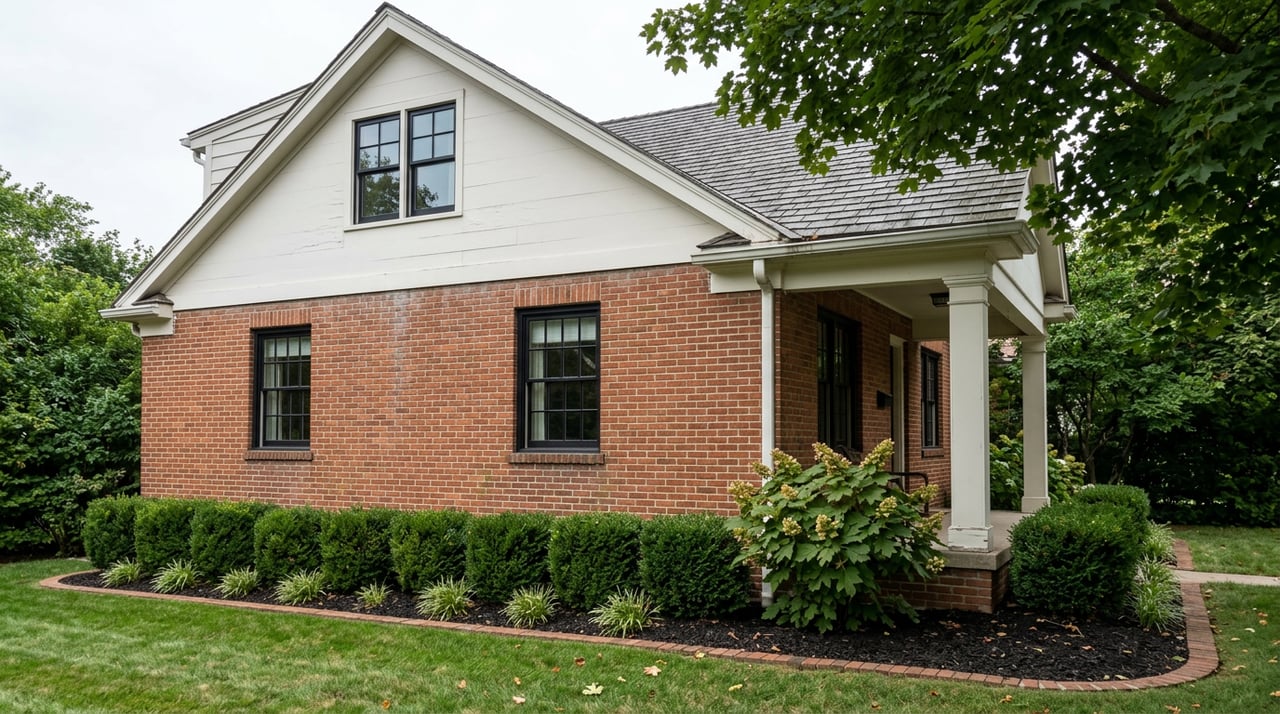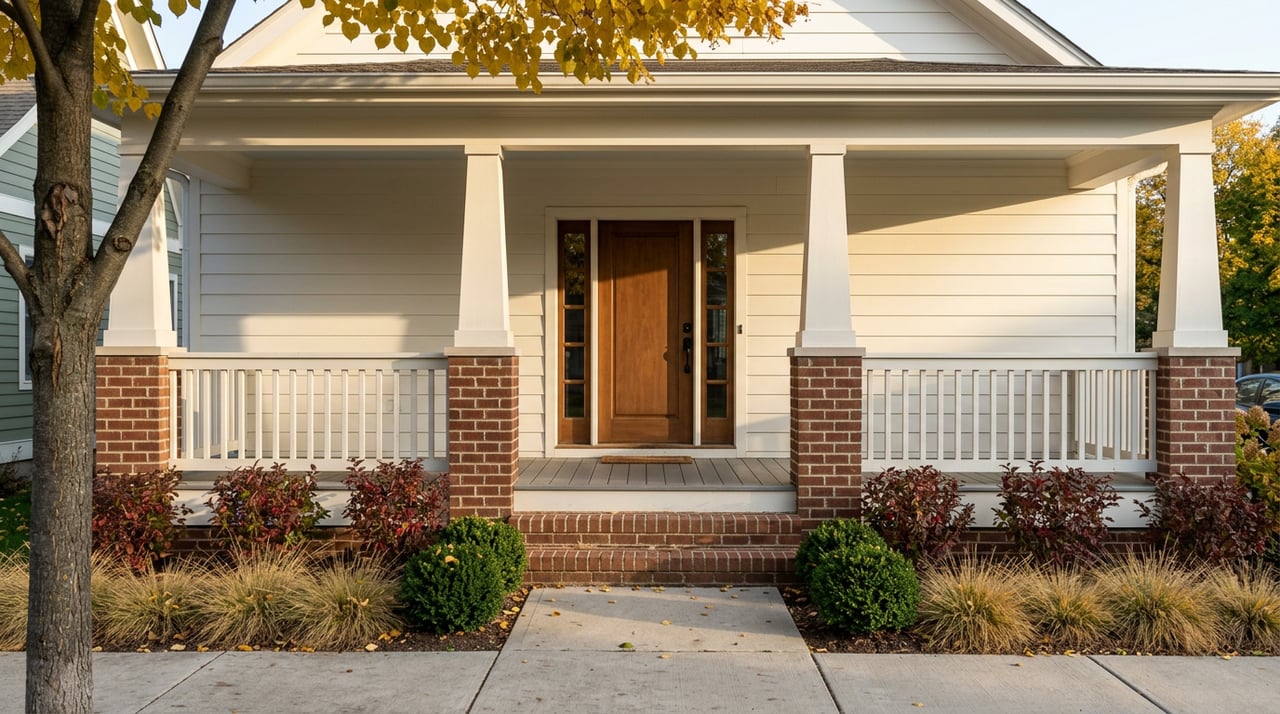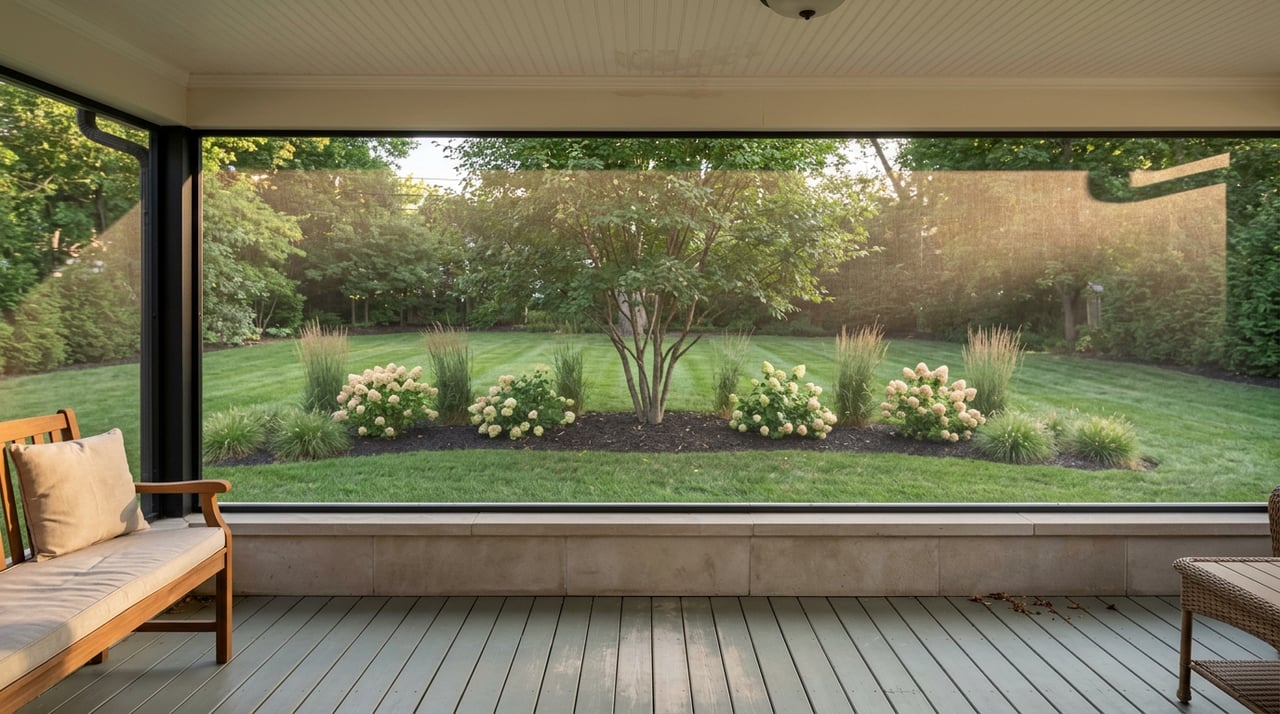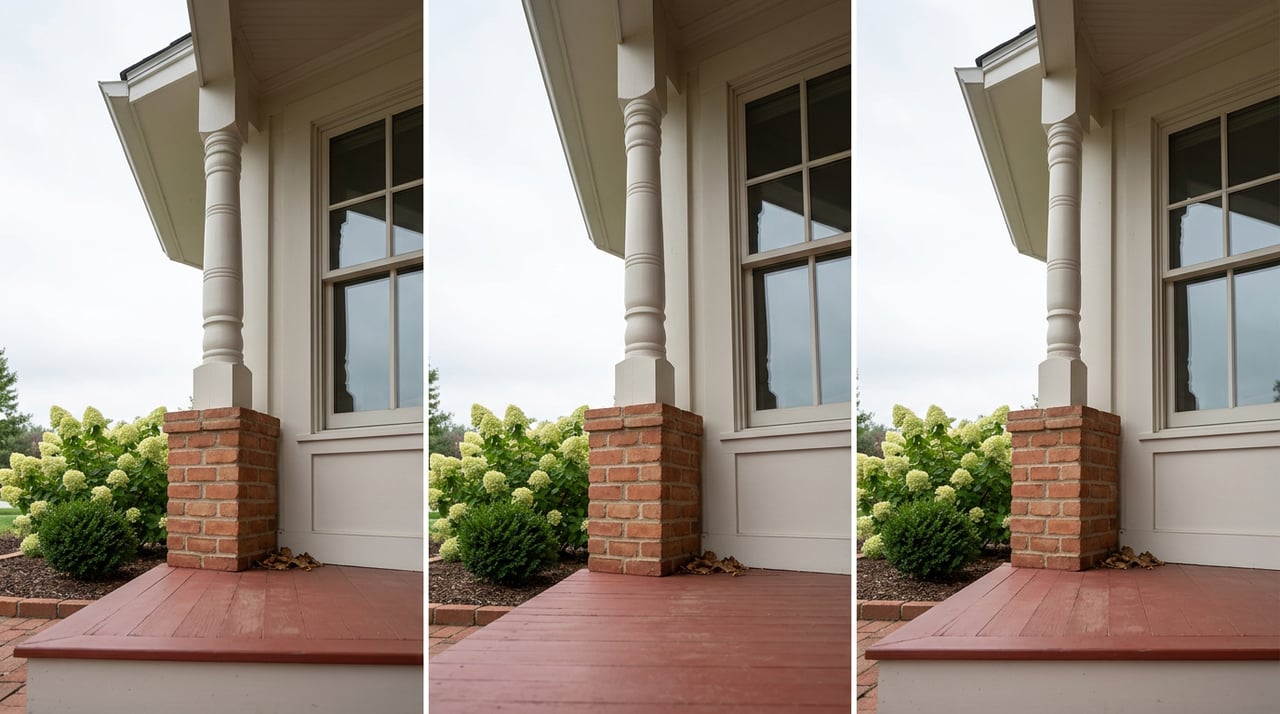
A buyer closes on a Queen Anne two blocks off Cass Street. The house has the bones anyone who has walked the 10th and Cass neighborhood recognizes: a wraparound porch, a steep gable, tall narrow windows original to a build date somewhere in the 1880s. First project on the list is simple. Replace the drafty aluminum storm windows a previous owner added sometime in the 1970s with something closer to what the house would have had. A contractor gives a quote. Then someone mentions a form the buyer has never heard of, filed with a commission the buyer didn't know existed, and the timeline for a project that should have taken three weeks stretches into three months.
That surprise is the thing most guides to buying or selling in La Crosse skip past. They'll tell you the house is old. They won't tell you which kind of old actually restricts what you can do to it, and which kind is just a plaque.
Two different kinds of "historic"
La Crosse has 69 individual properties and districts listed on the National Register of Historic Places across the county, a list that includes everything from the 10th and Cass Streets Neighborhood Historic District to individual buildings like the La Crosse Armory. National Register status is an honor. It documents that a building matters to the city's story. On its own, it does not stop an owner from swapping windows, resurfacing siding, or building a garage. It mostly opens doors: eligibility for certain tax credits, a line item that can matter to a preservation-minded buyer, nothing more binding than that.
What actually restricts a renovation is a separate, narrower designation: whether the property sits inside one of La Crosse's two locally designated historic districts. The city currently has two: the 10th and Cass Streets Neighborhood Historic District, a 12.6-acre pocket of Italianate, Queen Anne, Stick, Prairie School, American Foursquare, and Colonial Revival homes built mostly between 1869 and the mid-1890s, and the Downtown Commercial Historic District, more than 90 buildings between Jay Street and State Street that trace the city's commercial growth from the 1860s through the 1940s, including structures like the former Doerflinger Department Store and the Rivoli Building and Theatre.
Inside those two boundaries, exterior work needs a Certificate of Appropriateness from the city's Heritage Preservation Commission before a building permit gets issued at all. That's the distinction almost nobody explains clearly: National Register listing is a description. Local district listing is a rule.
Here's how the two compare in practice:
| National Register listing only | Locally designated historic district | |
|---|---|---|
| Where it applies | Individual buildings and districts, county-wide | Only the 10th and Cass district and the Downtown Commercial district |
| Exterior changes | No city review required | Certificate of Appropriateness required before permit |
| Interior changes | No restriction | No restriction, only exterior is reviewed |
| Tax benefits | May qualify for state or federal preservation credits | Same eligibility, plus the review process |
| Who enforces it | Nobody, it's a designation | La Crosse Heritage Preservation Commission |
What actually triggers a Certificate of Appropriateness
The city's design standards, updated for the Downtown Commercial district in 2016, guide what the Commission looks at. Window replacement, siding changes, additions, relocations, and demolitions all require review. So do signs in the downtown district, down to the placement, material, and lighting of a blade sign mounted on a storefront. The Commission meets monthly and weighs each request against design standards written for the specific architectural styles found in that district, then approves, denies, or asks for revisions before a project can move to permitting.
The city has also been extending this authority. In late 2021, the Common Council took up an ordinance change that would let the Heritage Preservation Commission issue binding certificate decisions, rather than the advisory recommendations it had previously been limited to for individually listed landmarks outside the two districts. Property owners still have the option to appeal a denial to the full Common Council, the same route already available inside the districts. The direction of travel is toward more properties requiring this kind of review, not fewer, which makes it worth checking before a listing goes live rather than after an offer is signed.
None of this shows up on a standard MLS data sheet. It shows up when a new owner calls a contractor.
The clock most sellers don't manage
Wisconsin sellers already carry two disclosure deadlines that move fast. State law requires a completed Real Estate Condition Report reach the buyer within 10 days of an accepted contract, and a late or amended report can open a short buyer rescission window under Wisconsin Statute Chapter 709. Separately, federal law gives buyers of any home built before 1978 a 10-day period to arrange a lead-based paint inspection or risk assessment, along with a copy of the EPA's lead pamphlet and a signed Lead Warning Statement in the contract itself, a rule that applies to most of the housing stock inside both of La Crosse's historic districts given their construction dates.
Now line that up against how fast the current La Crosse market is actually moving. In the three months ending June 2026, homes across the city sold at a median price of $259,000, with the typical listing going under contract in about six days. A ten-day disclosure clock does not fit neatly inside a six-day sale window. Sellers who wait until an offer arrives to track down old paint records, well documentation, or clarity on whether their block sits inside a local historic boundary are often finishing that paperwork after the buyer already expected it.
A short list before you list
A few things worth confirming before a historic or pre-1940s La Crosse home goes on the market:
- Check whether the property sits inside the 10th and Cass district or the Downtown Commercial district specifically, not just whether it appears on the National Register. The city's planning department maintains district boundaries and Certificate of Appropriateness application forms.
- Gather any existing lead paint records, past inspection reports, or remediation documentation now, so the federal disclosure and the state condition report can go out together rather than in a scramble.
- If a future buyer is likely to want exterior changes, either the current owner or the listing agent can note the CoA requirement upfront. Buyers who know about it going in tend to plan for it. Buyers who discover it after closing tend to be frustrated by it.
- Remember that a National Register plaque by itself changes none of this. The restriction lives at the local district level only.
A couple of direct questions
Does National Register listing stop me from replacing my windows? No. National Register status alone carries no design review requirement. The restriction only applies if the property is also inside the 10th and Cass Streets Neighborhood Historic District or the Downtown Commercial Historic District, where a Certificate of Appropriateness is required before a permit is issued for exterior work.
Do I need a lead paint inspection if my house was built after 1978? No. The federal 10-day lead inspection window applies specifically to homes built before 1978. Most homes in La Crosse's older historic neighborhoods fall well before that cutoff, which is why the disclosure applies there almost automatically.
How long does a Certificate of Appropriateness review actually take? The Commission meets monthly, so timing depends on when an application is submitted relative to that schedule and whether the request needs revisions before approval. Building the review into a renovation timeline, rather than assuming it happens as fast as a standard permit, avoids most of the frustration.
A note from Jillian
Selling or buying a home with real history in La Crosse is one of the more rewarding parts of this market. It's also one of the easiest places for a transaction to hit friction nobody planned for, simply because the paperwork lives in two different systems that rarely get explained side by side. If you're weighing a listing in the 10th and Cass neighborhood, downtown, or anywhere in the surrounding historic housing stock, Jillian Hugo & Associates can walk through what applies to your specific address before it becomes a surprise for someone else. Contact Jillian for a complimentary home consultation.