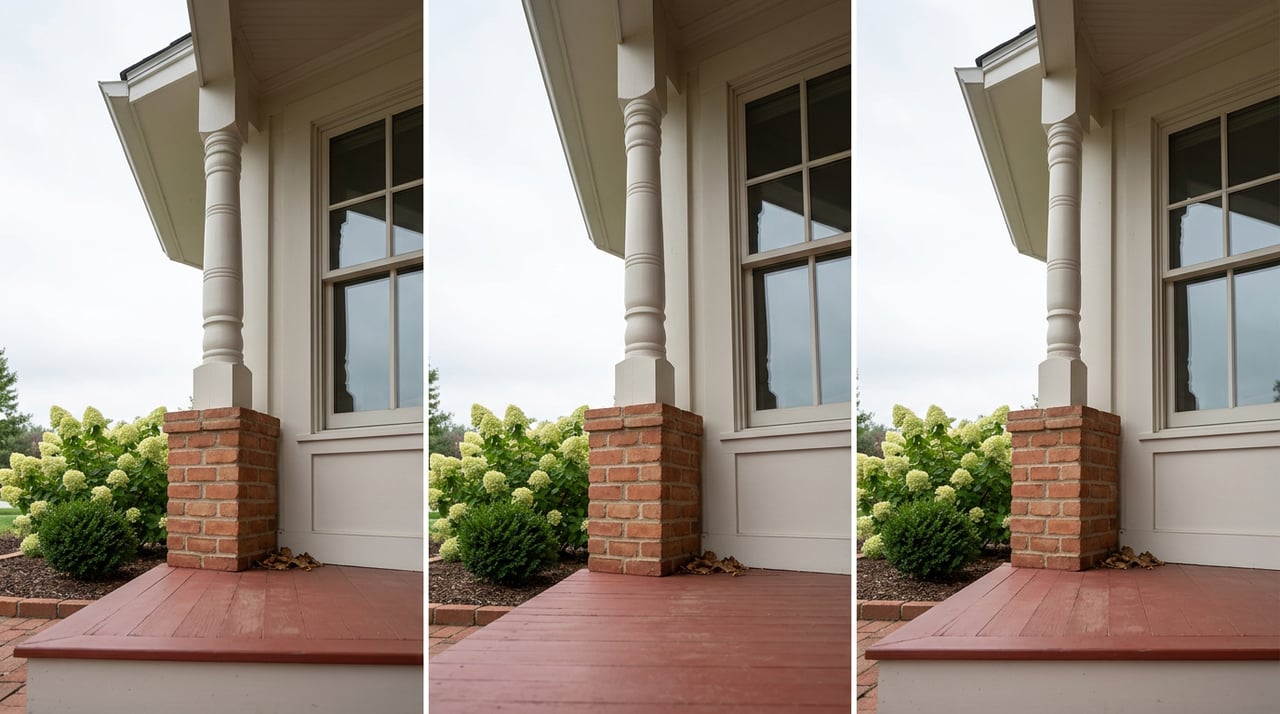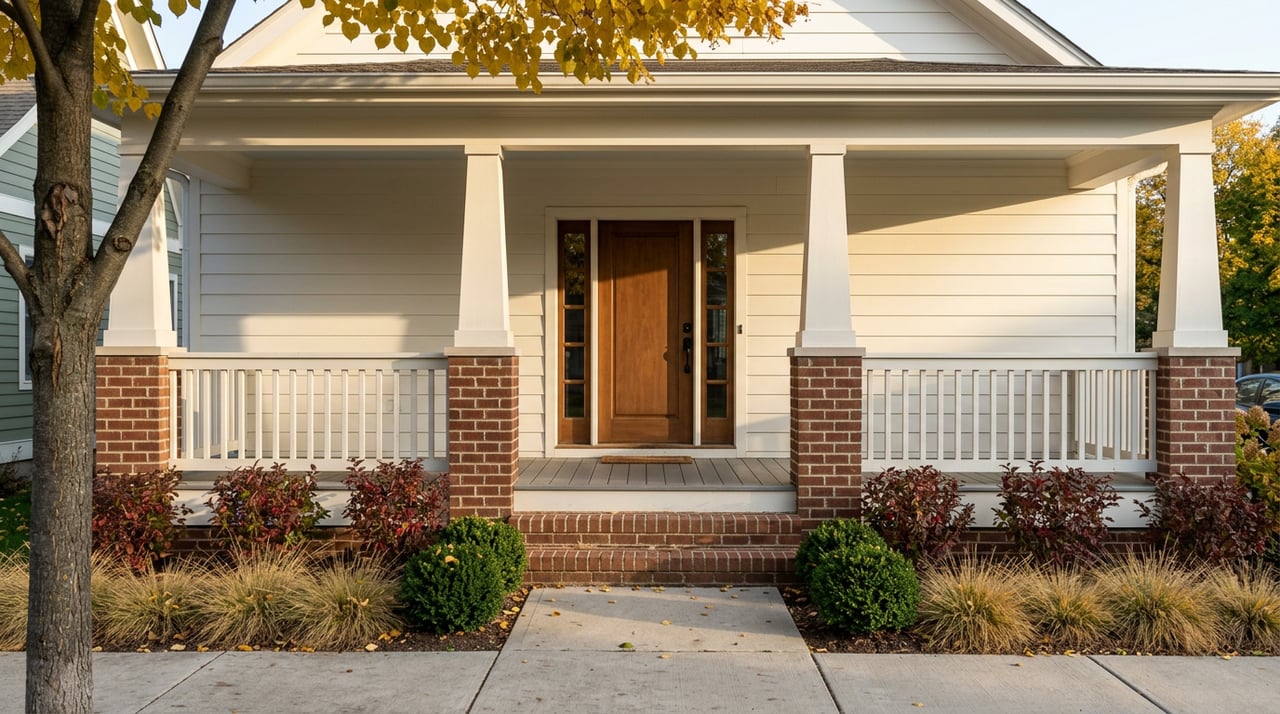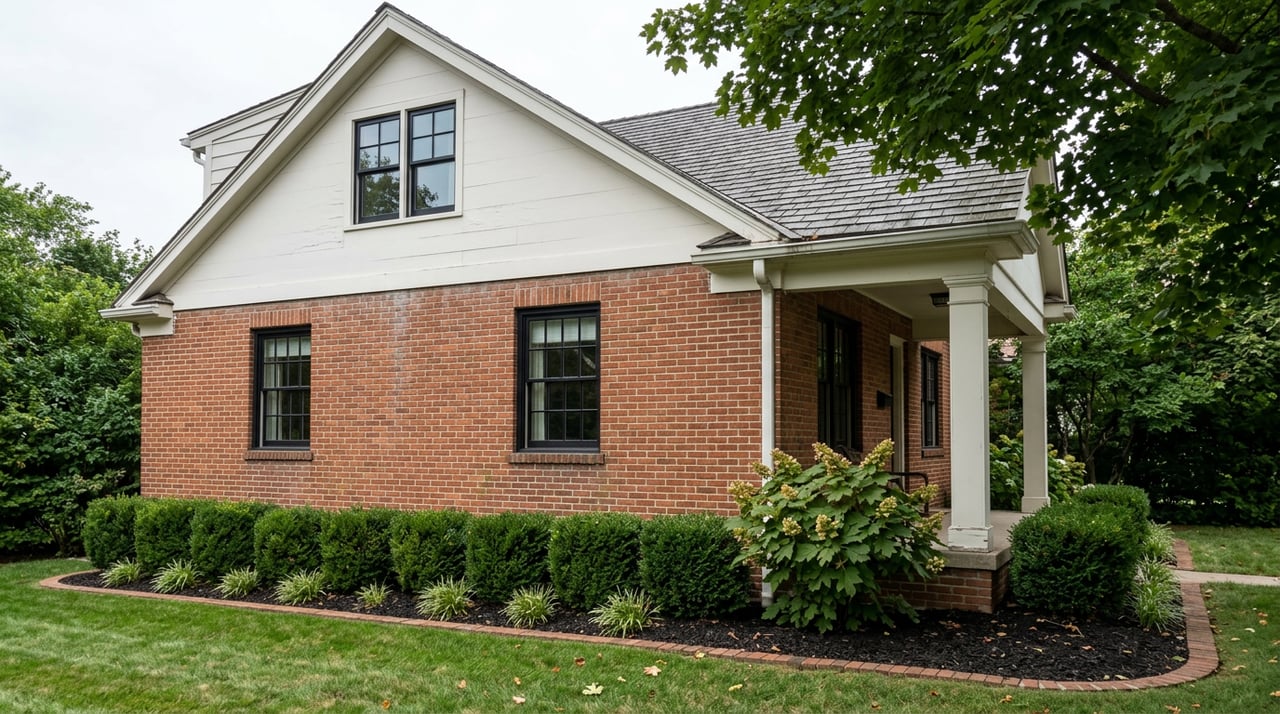
Two buyers walk into the same budget: $300,000, give or take. One ends up in a bungalow in Bluffside, a short walk from the neighborhood's golf course and from Bluffside Tavern, a bar old enough to have outlived Prohibition and the city's quarrying days. The other ends up in a newer condo downtown, three blocks from Third Street, no yard, association fees instead of a lawn mower.
Ask most portals why, and you'll get a shrug dressed up as data: "median home price," "market trends," a chart that treats La Crosse like one undifferentiated blob of housing. That's the wrong unit of analysis. La Crosse isn't priced by desirability. It's priced by the age and mix of the houses that happen to sit in each neighborhood, and by two forces almost nobody researching from Minnesota or the Twin Cities suburbs accounts for until they're already under contract.
The gap is about the housing, not the neighborhood
Pull the single-family numbers neighborhood by neighborhood, from a citywide breakdown published in February 2026, and the spread is stark. Housing stock composition does not reshuffle month to month, so the relationships between these neighborhoods are still a reliable guide today. Downtown La Crosse, where 1800s-era homes sit next to new-build luxury condos inside a commercial corridor listed on the National Register of Historic Places, carries a single-family median around $369,000. Bluffside, dominated by bungalows and ranches priced consistently in the $175,000 to $450,000 range, sits closer to $300,000, and the neighborhood sits at the base of the bluffs with forested trails leading up to Grandad Bluff and its own 18-hole golf course. Washburn, one of the city's oldest residential pockets, built originally by the city's lumber mill barons and now home to a mix of young professionals, college students, and native La Crosse residents, comes in around $194,900. Citywide, the single-family median lands near $260,000.
None of that is a ranking of "better" and "worse" neighborhoods. It's a ranking of housing stock. Downtown's median is pulled up by the presence of new luxury condo product mixed into an inventory of century-old houses. Washburn's median is pulled down by a housing stock that's older, smaller, and hasn't seen the same wave of condo or infill construction. Bluffside sits in between because its bungalow-and-ranch inventory is remarkably consistent, block after block, without much of either extreme.
Grandview Emerson is the neighborhood that breaks the pattern most visibly, and it's worth sitting with why. Homes there sold for a median of roughly $325,500 over a trailing twelve-month period, down slightly from the year before, but that single number hides a range that runs from bungalows in the low $200,000s to historic mansions that clear $1 million. The neighborhood sits just east of downtown and the Mississippi, on streets where some of the original red brick is still in place. One local Realtor, born and raised in the city, has pointed out that the stone foundations under some of the neighborhood's larger homes were quarried right at Grandad Bluff. That's not trivia. It's the reason the price range is so wide: the neighborhood contains two genuinely different housing products, modest early-1900s bungalows and the larger historic homes built for the families who could afford stone foundations, sitting on the same streets and getting flattened into one median.
If you're comparing neighborhoods off a median price alone, you're comparing housing stock composition without knowing it. The median tells you almost nothing about what a specific $300,000 will get you until you know whether you're shopping in a bungalow neighborhood, a mansion-and-bungalow neighborhood, or a condo-and-Victorian neighborhood.
The supply nobody's pricing in yet
There's a second reason the current map is a poor guide to where things are headed, and it's sitting on 65 acres at the confluence of the Mississippi, Black, and La Crosse Rivers. The River Point District is a former industrial site being redeveloped into what's planned as more than 800 housing units, along with office, retail, and restaurant space, all within walking distance of downtown.
The first phase, a development called The Driftless from MSP Real Estate, is already occupied. Families have moved in, school buses have started making the turn into the neighborhood, and the project celebrated its grand opening in the spring of 2025. A local development company, War Eagle LLC, has since closed on another parcel within the district, working alongside the city's Redevelopment Authority on what comes next.
This matters for anyone comparing downtown La Crosse to Bluffside or Grandview Emerson on today's numbers, because those numbers don't yet reflect what 800 new units of housing does to a downtown submarket that has historically been supply-constrained. A downtown median built on a mix of 1800s houses and a handful of luxury condos is a different animal than a downtown median built on that same mix plus several hundred new units phased in over the next few years. Nobody can price that shift precisely in advance. But a comparison shopper who assumes downtown's current premium is fixed is comparing against a moving target.
What Minnesota buyers miss on the numbers
Here's the friction that catches cross-border buyers off guard most often, and it has nothing to do with list price.
La Crosse County's effective property tax rate runs around 1.63 percent. Compare that to Winona, Minnesota, at roughly 0.94 percent, or Rochester at roughly 1.09 percent. On paper those look like rounding errors. In monthly payment terms, they aren't.
Run it on a $300,000 home, the rough price point where Bluffside and citywide medians converge. At La Crosse County's rate, that's about $4,890 a year in property tax. At Winona's rate, the same home would run about $2,820 a year. At Rochester's rate, about $3,270. The gap between La Crosse and Winona works out to roughly $172 a month, and the gap between La Crosse and Rochester to roughly $135 a month, before a single dollar of principal or interest enters the conversation.
For a buyer comparing a La Crosse listing against something they saw in Winona or Rochester, that's a real recalculation, not a footnote. A house that looks $20,000 cheaper on the La Crosse side of the river can end up costing more per month once the tax line is filled in. This is the kind of number that never shows up on a listing sheet and rarely comes up until a lender runs the actual estimated payment. Buyers relocating from southeastern Minnesota do better when they run this math early, before they've fallen in love with a specific street.
What this means if you're comparing neighborhoods right now
None of this means one La Crosse neighborhood is the "right" choice and the others aren't. It means the comparison most buyers are making, list price against list price, or median against median, is missing the two things that actually explain the gap: what era and type of housing dominates that specific neighborhood, and what the real all-in monthly number looks like once taxes are factored in at your specific price point.
If you're weighing Bluffside's bungalow stock against Washburn's older, more affordable homes, or wondering whether Grandview Emerson's wide range means you can find a deal or just means you need to know which half of the neighborhood you're shopping in, those are questions with real answers. They just aren't answers a median price by itself can give you.
A few questions worth asking before you compare further
Does River Point District's growth mean downtown La Crosse prices will keep climbing? It's too early to say with certainty. What's clear is that a downtown median built without that supply on the board is not the same downtown you'll be comparing against in a few years, once several hundred additional units have worked their way into the resale and rental market.
If I'm relocating from Rochester or Winona, how do I actually compare the two markets? Start with the monthly number, not the sticker price. Ask for the estimated property tax on any specific La Crosse listing you're serious about and run it against what you'd pay on a comparable home across the river. The rate gap is real and it compounds every month you own the home.
Why does Grandview Emerson have such a wide price range? Because the neighborhood contains two distinct housing products on the same streets: modest early-1900s bungalows and larger historic homes, some with stone foundations quarried at Grandad Bluff. A median price there tells you less than it would in a more uniform neighborhood like Bluffside.
If you're trying to figure out what a specific budget actually buys in La Crosse, or how a neighborhood's housing stock and tax bill change the real math on a move from across the river, Jillian Hugo & Associates can walk through the numbers for the streets you're actually considering. Contact Jillian for a complimentary home consultation.