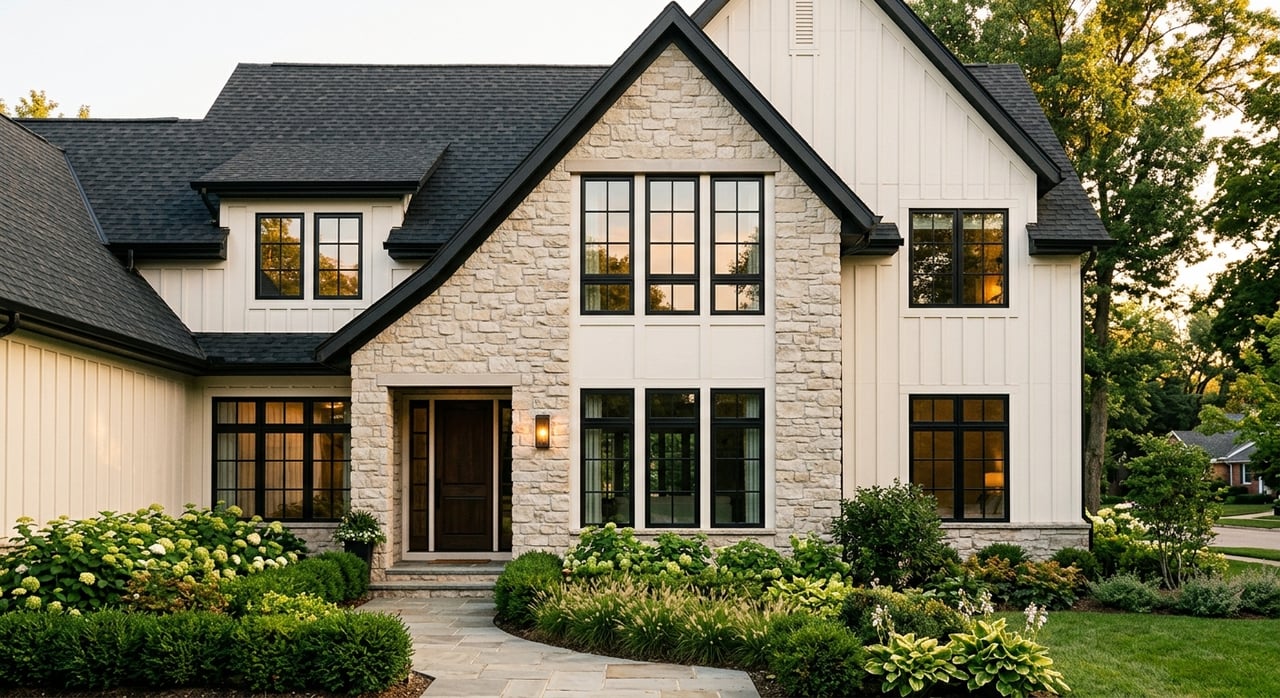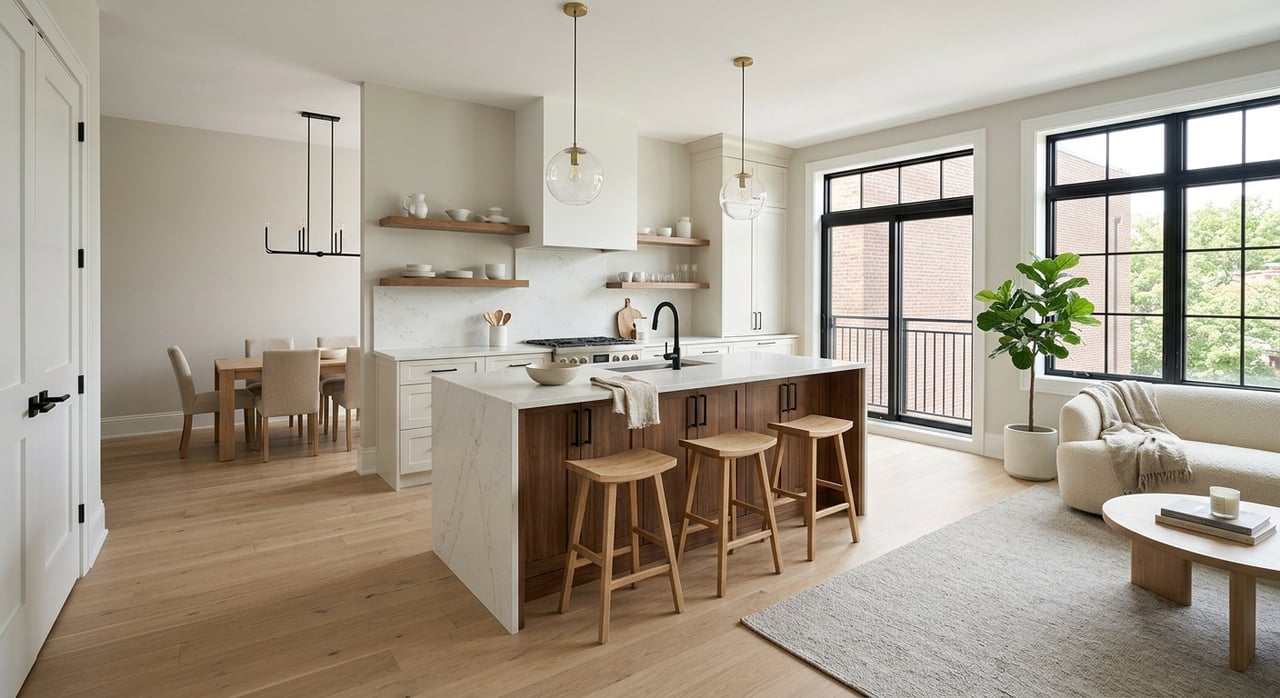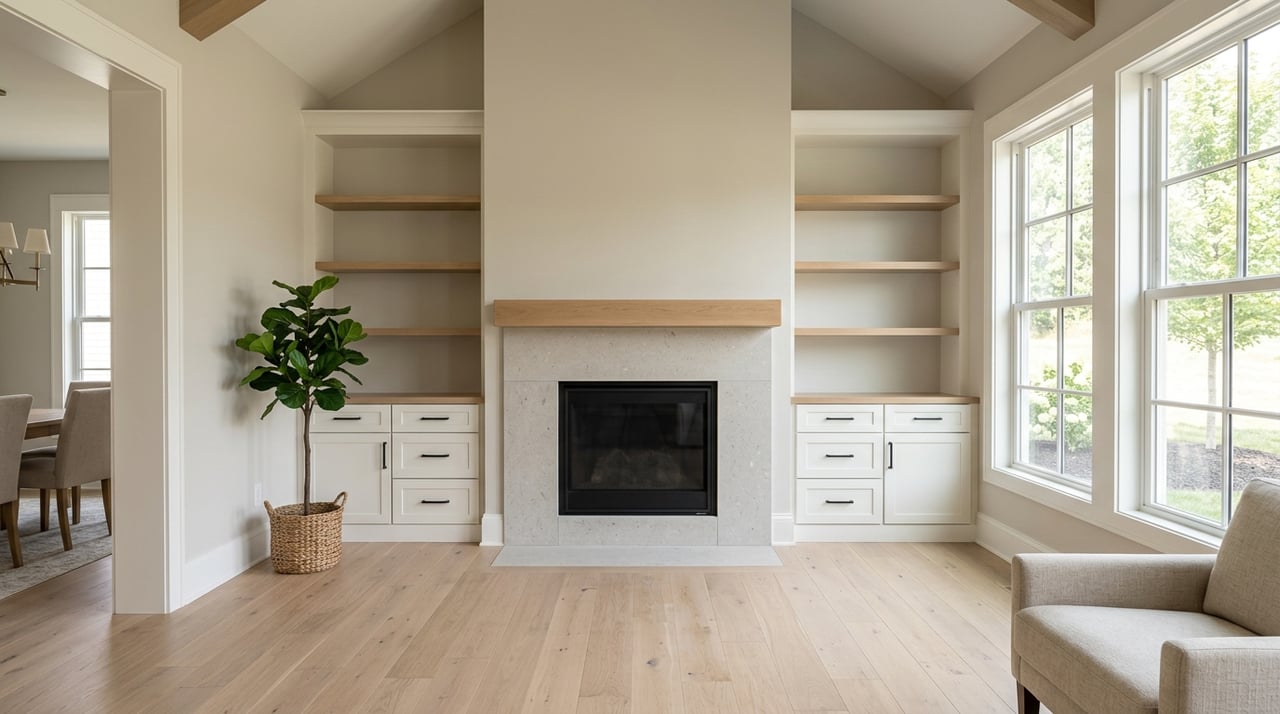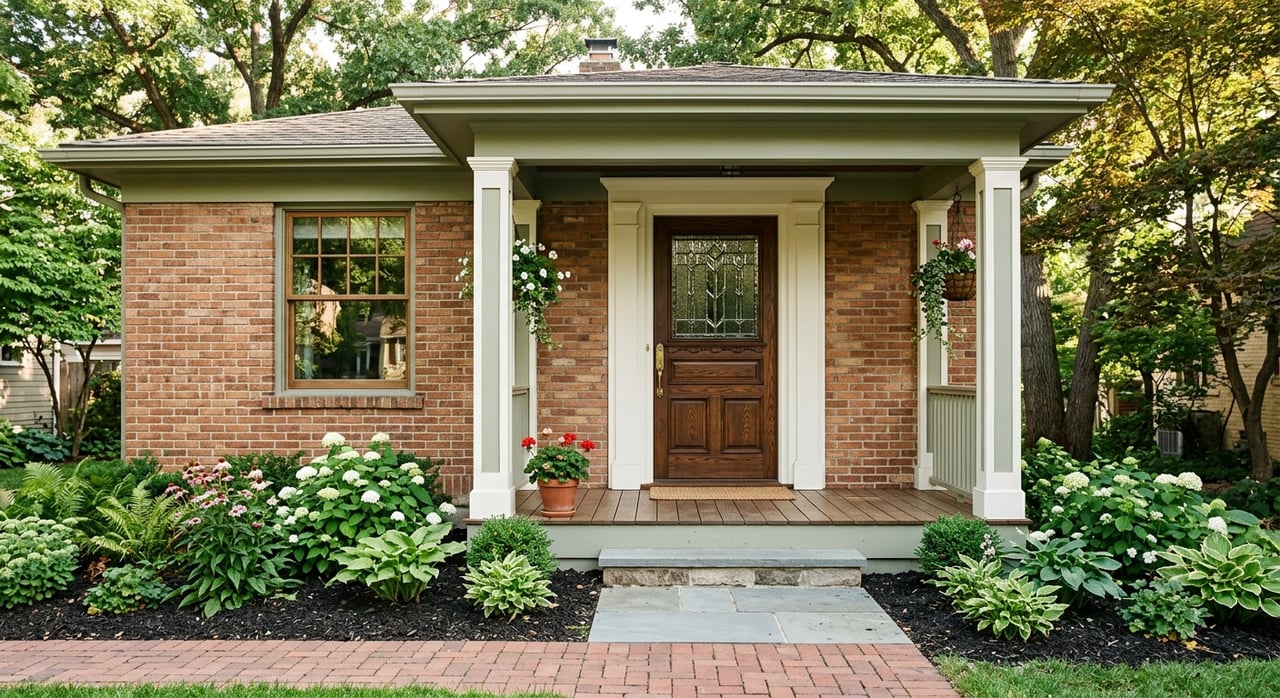
If you own a character home in La Crosse, you already know it offers something newer properties often cannot: personality. Original millwork, a welcoming porch, detailed masonry, or a staircase with real presence can make your home instantly memorable. The challenge is making sure buyers see both the charm and the care behind it, so they feel excited rather than uncertain. This guide will show you how to market a character home in La Crosse with a strategy built around local housing trends, buyer questions, and smart preparation. Let’s dive in.
Why character homes matter in La Crosse
La Crosse has an older housing base, and that shapes the local market in a real way. City planning data shows the largest share of housing units in La Crosse were built before 1940, and North La Crosse has more than 45% of its housing units from before 1940. That means older homes are not a niche category here. They are a visible part of the city’s identity.
La Crosse also has an active preservation framework that recognizes architectural, cultural, and historical significance. Multiple residential districts and landmarks are listed through the city’s preservation resources, including areas such as 10th and Cass Street, Cass and King Street, Edgewood, 23rd and 24th Street, and Caledonia Street. For sellers, that means your home may appeal to buyers who are specifically drawn to historic details and established streetscapes.
At the same time, La Crosse County’s housing supply is described as diverse but constrained. Those supply constraints have helped push up prices and rents, which can support demand for well-marketed homes. A character property that is presented clearly and priced thoughtfully can stand out to both local buyers and regional buyers looking at the La Crosse area.
What makes marketing different
Marketing a character home is not the same as marketing a standard resale. Buyers are not just comparing square footage and bedroom count. They are also weighing craftsmanship, condition, updates, and how much future work may be involved.
In La Crosse, the strongest listing story is usually not “old house.” It is a home with preserved craftsmanship, visible personality, and a clear maintenance history. Buyers want to know what features are original, what has been restored, and what has been updated over time.
That balance matters because aging housing stock can affect marketability if modernization has been deferred. At the same time, the local supply picture can support strong interest when a home is positioned well. Your marketing has to capture both sides: the charm buyers want and the practical information they need to feel confident.
Start with the home’s story
Before photos, staging, or pricing, define the story of the home. What are the standout details that give it identity? Think about original trim, built-ins, wood floors, stained glass, masonry, porches, staircases, or distinctive windows.
Then build a simple framework around three points:
- What is original
- What has been restored
- What has been updated
This structure helps buyers quickly understand the home. It also keeps your listing presentation grounded in facts instead of vague language. In a market like La Crosse, where character homes are common but conditions vary widely, clarity builds trust.
Focus on features buyers cannot recreate
Some upgrades can be added later. Some features cannot. That is why photography, staging, and listing remarks should highlight the details that make your property hard to replace.
For many La Crosse character homes, that means emphasizing:
- Front porches and entry details
- Original trim and woodwork
- Built-ins and storage details
- Masonry and exterior texture
- Staircases and architectural focal points
- Windows and their relationship to the street
- The home’s setting within an established block or historic area
These are often the details that create emotional connection. They also align with the city’s emphasis on architectural significance and craftsmanship. When buyers can clearly see those features, your home feels distinct rather than simply older.
Prepare before listing
Older homes benefit from more preparation before they hit the market. This does not always mean taking on a full renovation. It means identifying issues early, organizing documentation, and avoiding rushed fixes that can create bigger problems.
Start by gathering records for past repairs, system updates, roof work, window work, exterior maintenance, and any restoration efforts. Buyers of character homes often ask more detailed questions, and organized records can make your home feel responsibly maintained.
It also helps to walk through the property with a critical eye. Peeling paint, worn exterior trim, deferred masonry work, drafty doors, and dated fixtures can all shape a buyer’s first impression. Addressing the right items before listing can improve how buyers interpret the entire home.
Be careful with paint and DIY work
If your home was built before 1978, lead-based paint is a serious consideration. The EPA states that the older the home, the more likely it contains lead-based paint, and it estimates that 87% of homes built before 1940 have some lead-based paint. For many La Crosse character homes, that makes pre-listing prep a place to slow down and plan carefully.
The EPA recommends assuming pre-1978 homes contain lead unless professional testing shows otherwise. It also notes that friction surfaces such as windows, doors, door jambs, and sills are common places for lead dust to form when painted parts rub together. In practical terms, sanding old trim or repainting worn woodwork without proper precautions can create hazards instead of solving them.
If work will disturb painted surfaces, lead-safe practices matter. That is especially true for projects like sanding trim, repainting exterior wood details, or replacing older windows and doors. Smart preparation protects your household, supports a smoother sale, and helps avoid avoidable red flags during buyer due diligence.
Check historic district rules first
If your property is in a designated historic district, exterior updates may involve more than choosing materials and calling a contractor. La Crosse uses a certificate-of-appropriateness process for certain exterior work in historic areas. Even projects that feel modest can fall within review requirements.
According to the city’s materials, minor work can include reroofing with similar materials and repair or replacement of porches, windows, siding, doors, and trim if materials match existing conditions. Major work can include visible facade changes, additions, masonry finishing, new construction, signs, and demolition. That means sellers should confirm district status before starting exterior pre-list repairs.
This is also useful marketing information. If you already know the property’s historic status and can explain how prior updates were handled, buyers will have fewer unanswered questions. Confidence grows when details are clear.
Price with charm and condition in mind
Pricing a character home takes nuance. You want to reflect the home’s architecture, location, and uniqueness, but you also have to account for the repair or upgrade budget buyers may be mentally setting aside.
La Crosse’s housing constraints can support pricing, but the city’s market analysis also notes that aging housing stock can become a burden and that marketability can decline without regular modernization. This is why pricing should be thoughtful rather than purely aspirational. A beautiful home with deferred maintenance may still attract interest, but buyers will price in future work.
A strong pricing strategy usually considers:
- The strength and rarity of original features
- The condition of major systems and exterior elements
- The quality of prior updates
- Whether the home is in a historic district
- Possible floodplain or insurance considerations
- How much buyer investment may still be needed
When pricing reflects both character and reality, you are more likely to attract serious buyers early.
Answer buyer questions before they ask
The best marketing for a character home reduces uncertainty. Buyers in La Crosse are likely to ask about lead paint, older windows and doors, responsible updates, and whether the property is in a historic district that may affect future exterior changes.
Floodplain and insurance questions may also come up, especially in older parts of the city. The city comprehensive plan says at least 1,700 housing structures are located within the 100-year floodplain on La Crosse’s North Side. The city’s market analysis also notes that floodplain location can add insurance and financing burdens that may reduce value and discourage upgrades.
That does not mean a home in or near the floodplain cannot sell well. It means you should be ready with clear, factual information. The more directly you answer common questions, the easier it is for buyers to picture moving forward.
Keep marketing and disclosures consistent
Wisconsin sellers of one-to-four dwelling unit properties are generally required to provide buyers with a Real Estate Condition Report through the WB-11 framework tied to Wis. Stat. § 709.03. For older homes, this makes early preparation especially important.
Your marketing should never overpromise what the disclosure packet cannot support. If you describe a home as well maintained, make sure your records, repair history, and known-condition information back that up. Consistency across photos, listing remarks, conversations, and disclosures builds credibility and helps the transaction stay on track.
This is one of the biggest advantages of taking a strategic approach before going live. When the story is accurate and well documented, buyers feel more comfortable making strong offers.
Improve curb appeal where it counts
Curb appeal matters for every listing, but it carries extra weight with character homes because buyers often form their impression before they even enter. Fresh paint, repaired porch details, clean masonry, tidy landscaping, and an inviting front entry can change how the entire property is perceived.
La Crosse also has a Paint and Fix-Up Grant Program available in targeted areas of Downtown and Washburn. The city says the program is intended to improve neighborhood appearance, address aging housing stock, and help retain families. If your property is in an eligible area, that may support exterior paint or repair work before listing.
The goal is not to erase character. It is to help buyers see the home as cared for, distinctive, and move-forward ready.
Why local strategy matters
La Crosse character homes deserve more than generic marketing. They sit within a local housing market shaped by older housing stock, preservation rules, floodplain considerations, and a buyer pool that may extend beyond the immediate neighborhood due to the county’s regional connections to places like Madison, Rochester, and the Twin Cities.
That is why a successful listing strategy should combine presentation, pricing, and practical guidance. When your home is marketed as historically grounded, visually distinctive, and responsibly maintained, it is much easier for buyers to appreciate its value. That kind of positioning can create stronger engagement from the start.
If you are thinking about selling a character home in La Crosse, the right plan can make all the difference. For a complimentary home consultation and a tailored marketing strategy, contact Jillian Hugo.
FAQs
How should you price a character home in La Crosse?
- Price should reflect both the home’s unique architectural features and the condition of systems, exterior elements, and likely future updates buyers may expect.
What should sellers disclose for an older home in Wisconsin?
- Sellers of one-to-four dwelling unit properties generally need to provide a Real Estate Condition Report, so it helps to organize known defects, repair history, and maintenance records before listing.
Do historic district rules affect exterior work in La Crosse?
- Yes. If a property is in a designated historic district, certain exterior repairs or changes may require review through the city’s certificate-of-appropriateness process.
What buyer concerns are common for character homes in La Crosse?
- Buyers often ask about lead paint, the condition of older windows and doors, which features are original, which updates have been completed, and whether historic district rules or floodplain issues may affect future plans.
Why is pre-listing prep important for a La Crosse character home?
- Older homes usually benefit from early preparation because organized records, thoughtful repairs, and clear answers can reduce buyer uncertainty and strengthen your listing position.